
Our Let’s Get Figgy Club Meeting was so fun and yummy! Paul Talley, CA Rare Fruit Grower and Organic Garden Club member, is a longtime fruit expert having over 50 varieties of figs in his Simi Valley backyard orchard. He is constantly starting new cuttings and experimenting with different varieties with his in pot and in ground fig trees.
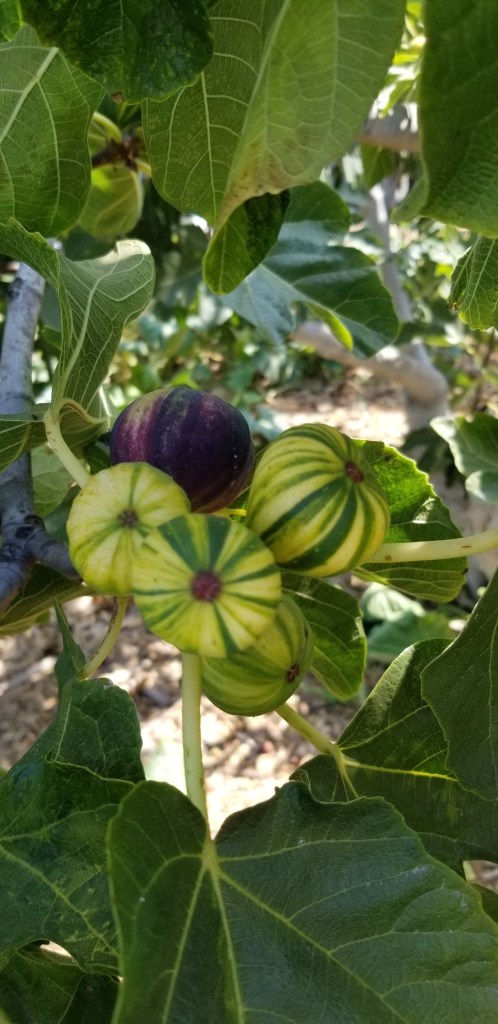
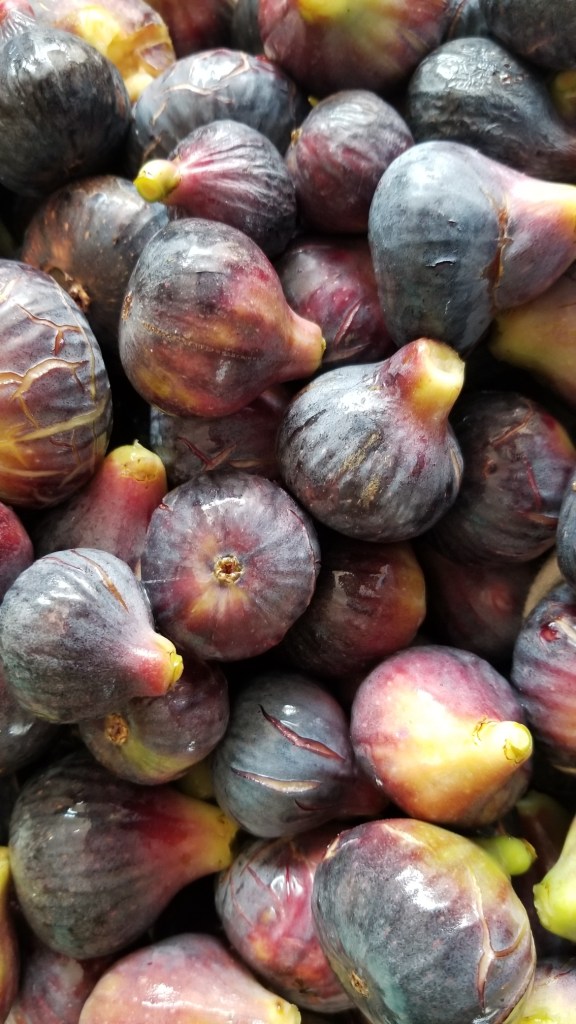
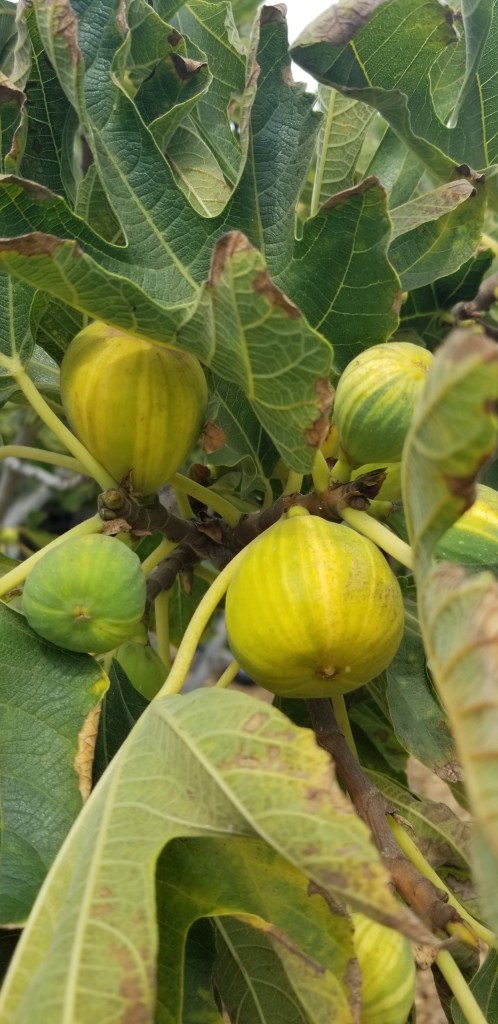
These sweet fruits are actually compressed flowers, part of the mulberry family. Figs are delicious and nutritious, rich in digestive, heart, skin, and bone health. They love long hot summers so plant in a sunny location. Their roots spread, so a large container is a good choice. The common fig tree does not require pollination to grow figs. The Smyrna variety needs wasps to bear fruit. To fertilize, Paul recommends mostly chicken manure, a 3-2-1 blend.
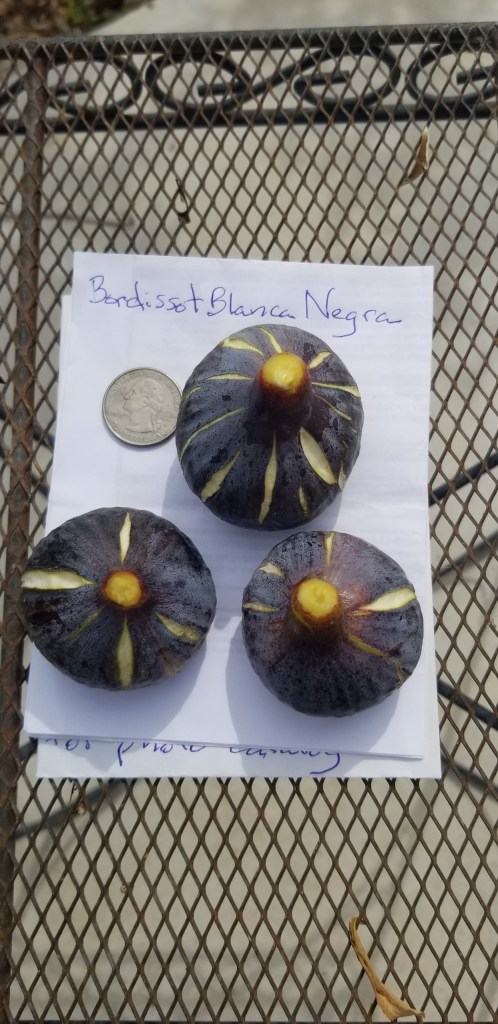
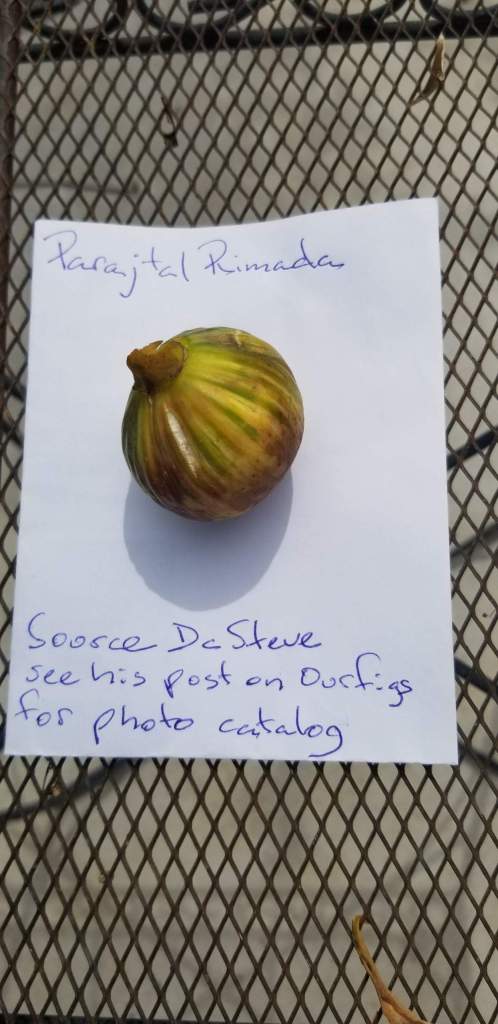
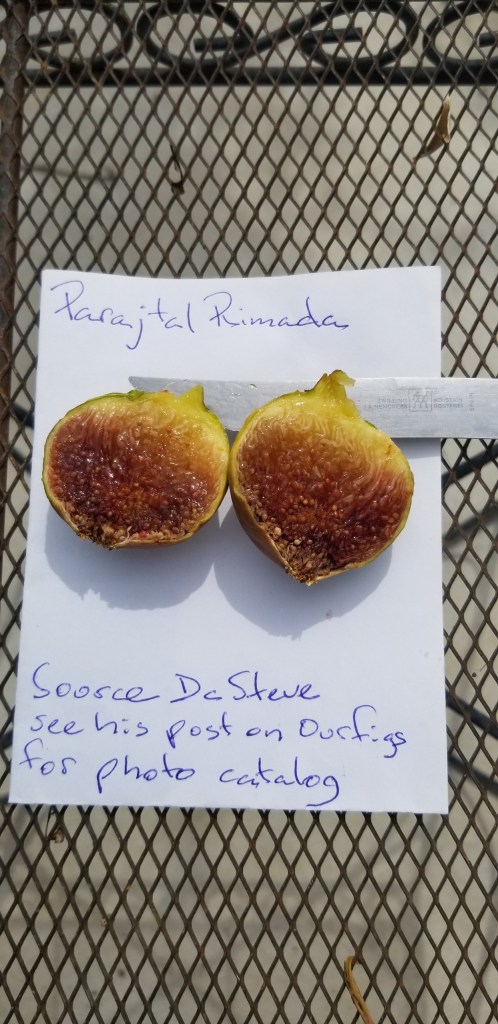
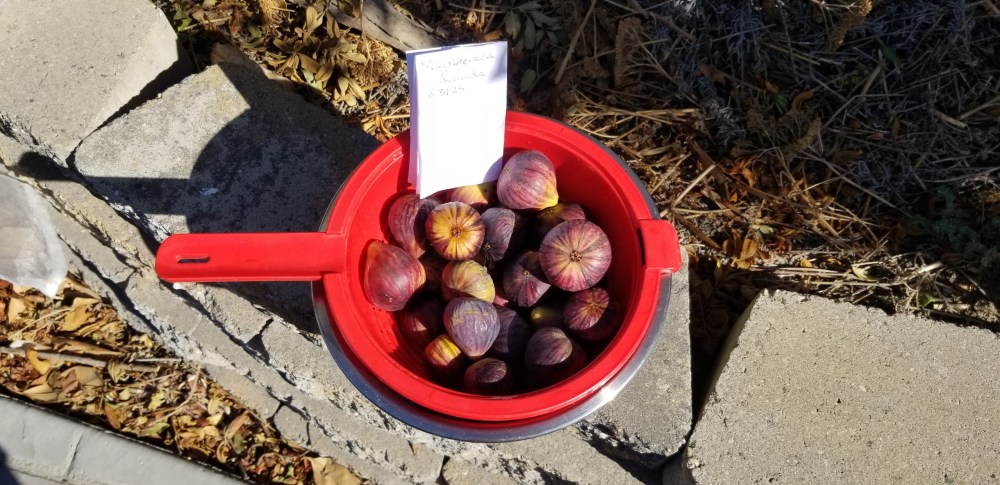
Many fig trees produce two crops a year often on the new, first year, wood: smaller Breba crop that ripens in late spring to early summer, and a larger main crop that ripens in early fall. Be careful when you prune your fig tree and prune the older branches blocking the sunlight and airflow. Pick the fruit when the skin softens, colors, and the neck gets smaller. They start to bend downwards and fruit has a bit of squish to it.
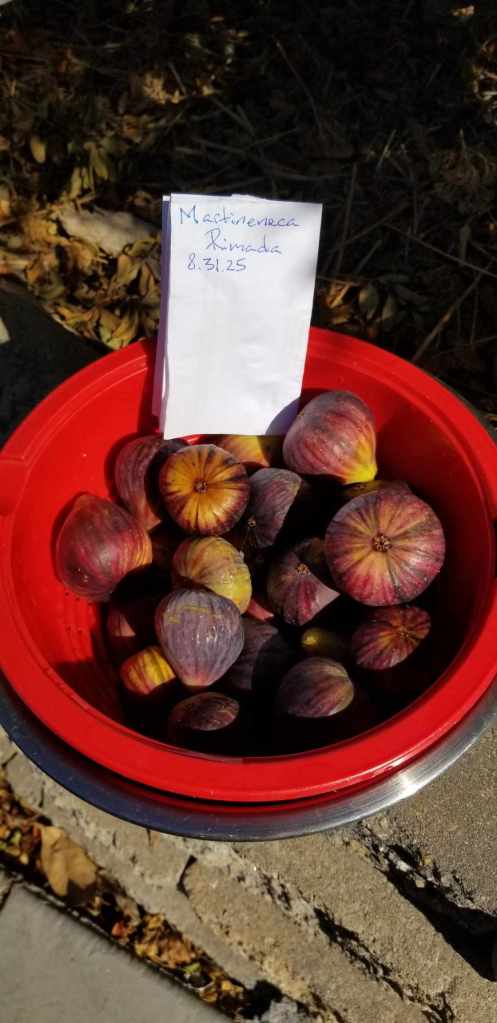
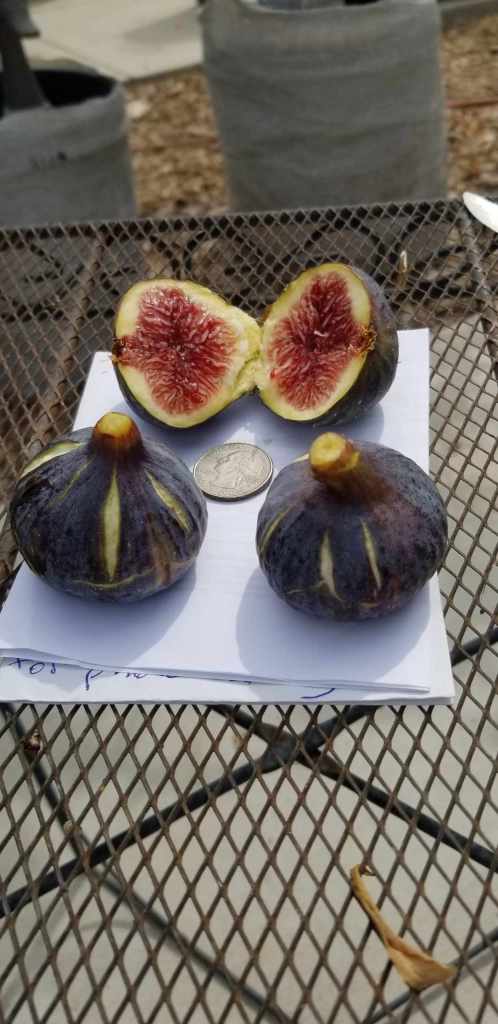
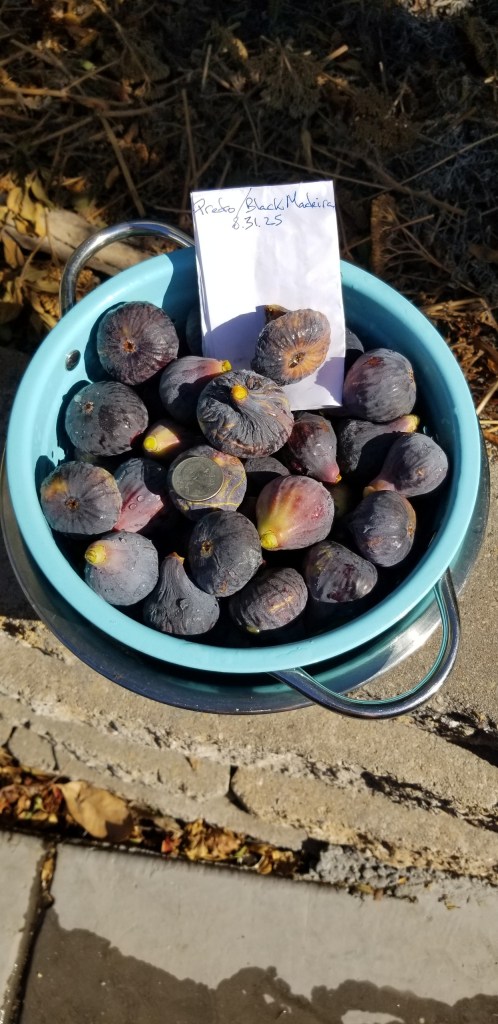

Paul told us about the Black Fig Fly, which has been ever present in our area for the last four years and what to do about it. All Ventura County is plagued with this Black Fig Fly that can ruin an entire crop of figs! The fly has red eyes and is small. You can see them in mid morning on the leaves.
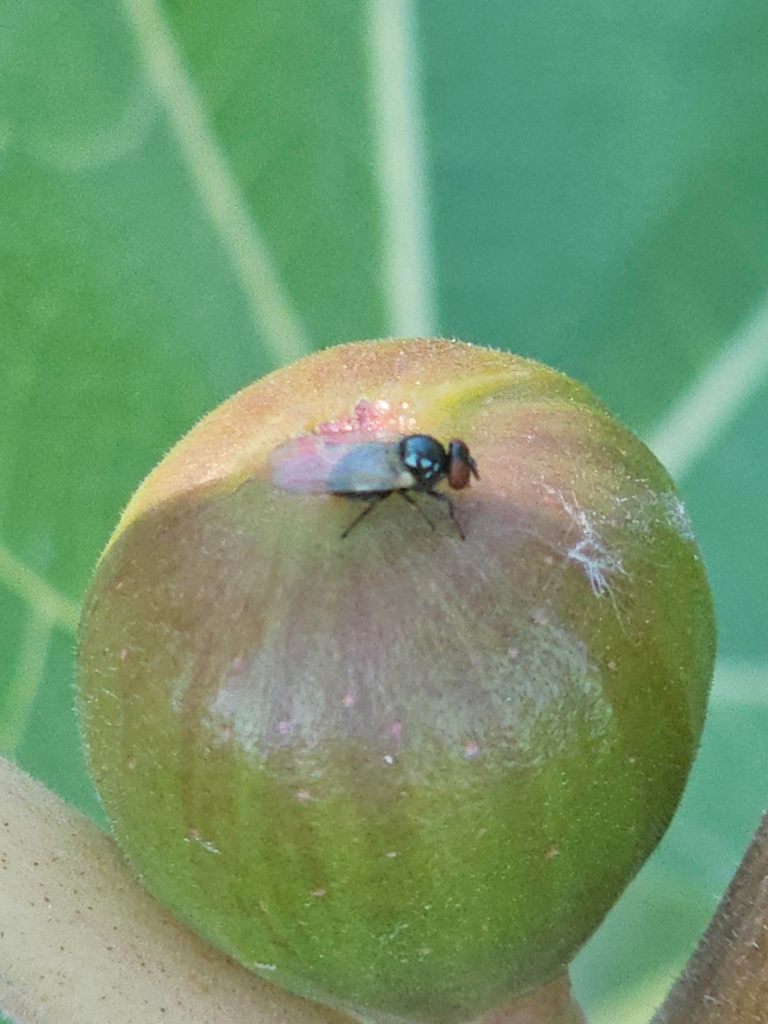


First thing is to identify fruit with a small hole in the side. Put all of those fruits in a plastic bag and put in the trash, not the recycle or compost. An infestation will color only one side of the fruit but to eradicate you must pull off all discolored fruit. Next, make a fly trap with a cut plastic bottle and cover the bottle with an inch of apple cider vinegar, a drop of liquid soap, a spoon of sugar, and a sprinkle of yeast and put it by your tree! If you do this for the early Breba crop of figs, which are smaller and less tasty, you will not see the fly after July.
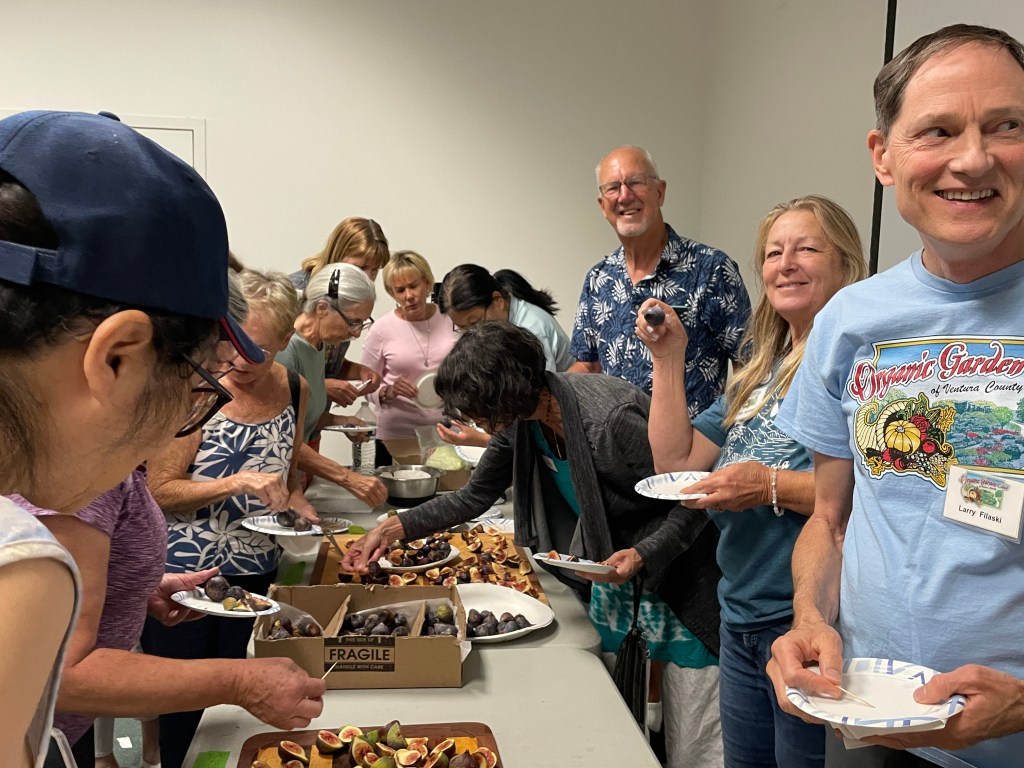

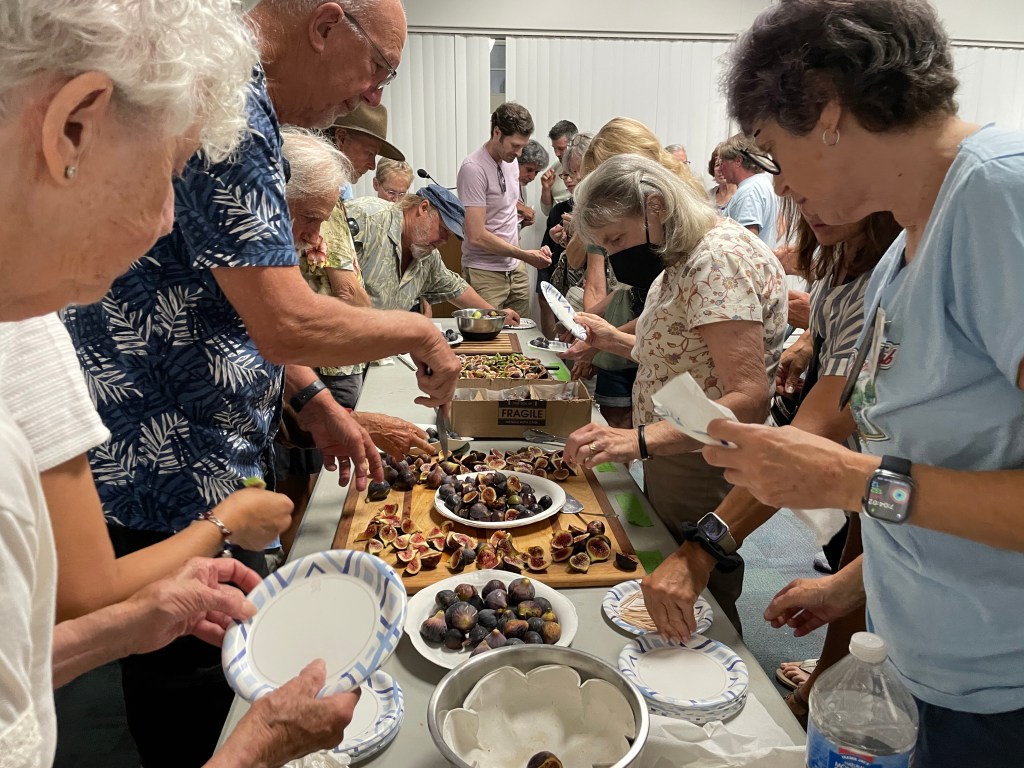
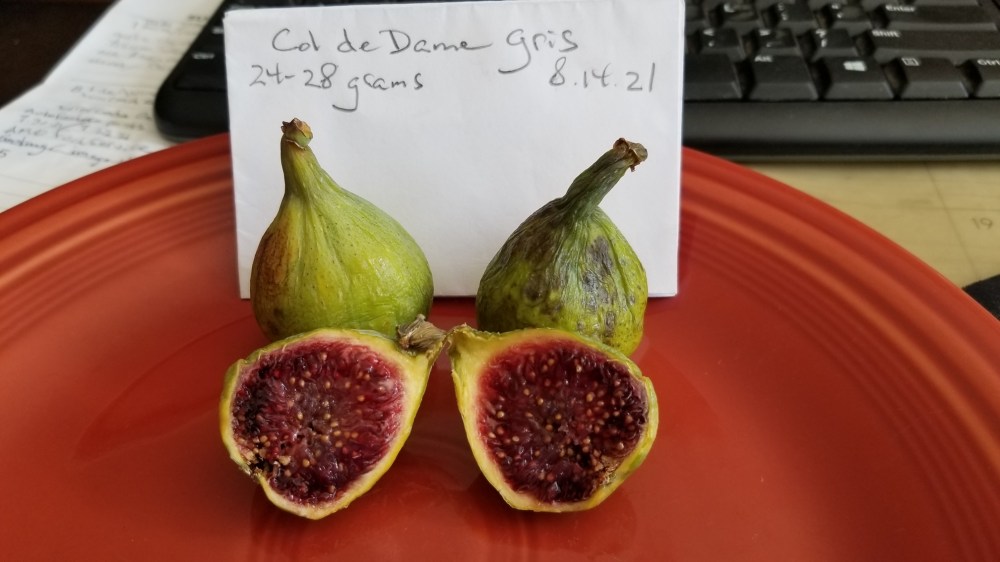
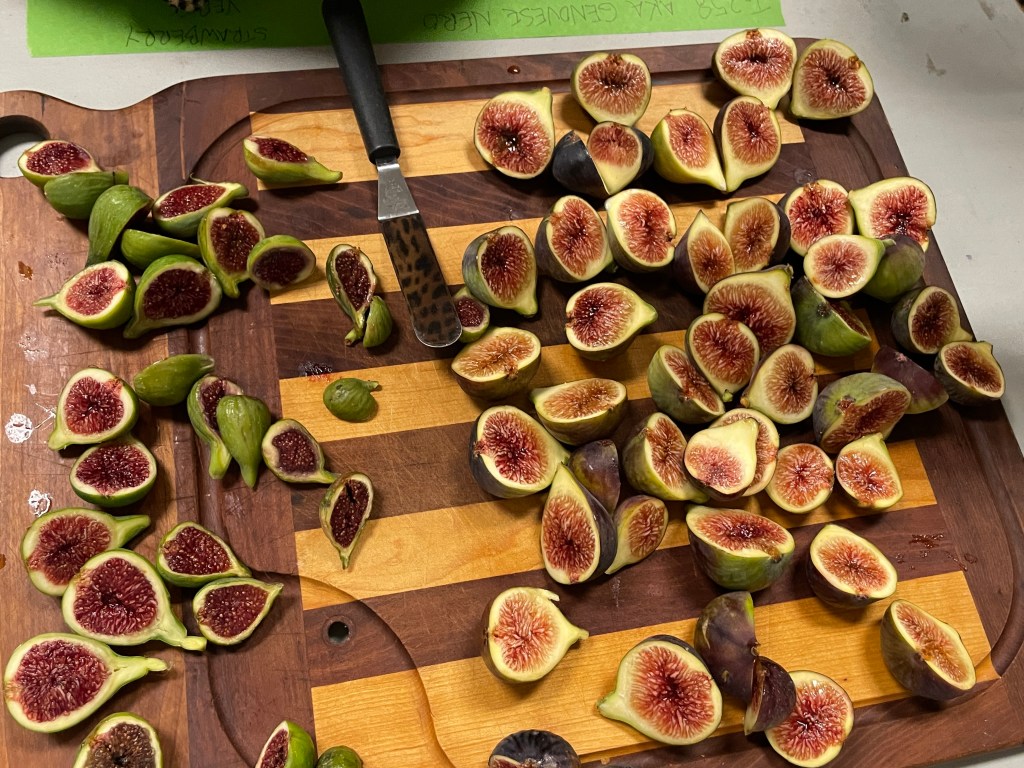
After Paul answered lots of questions about growing figs at our meeting, we had Fig Tasting Experience! He provided a sampling of many different figs from his orchard paradise, after 12 days of picking them. Every year, he says his standout delicious fig is a different variety! This year his favorite is the Black Madeira. Plus Bill Brandt brought a lot of his large yummy Strawberry Verde Figs.
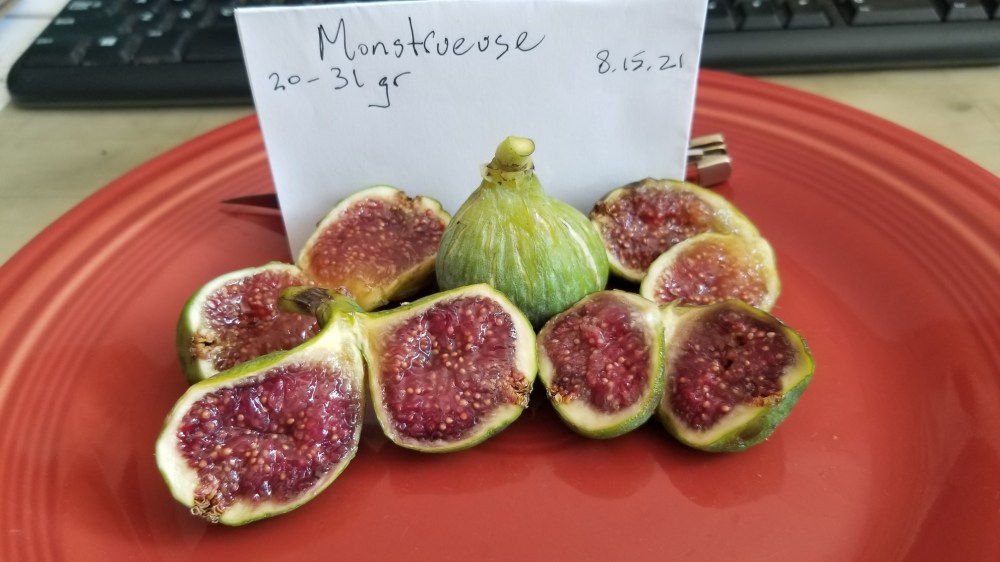
Each fig was so sweet, some more jam-like, some with berry flavor, some with floral overtones. It was very difficult to choose a favorite. Even within the same variety, the individual figs taste different. What a delightful choice to ponder!

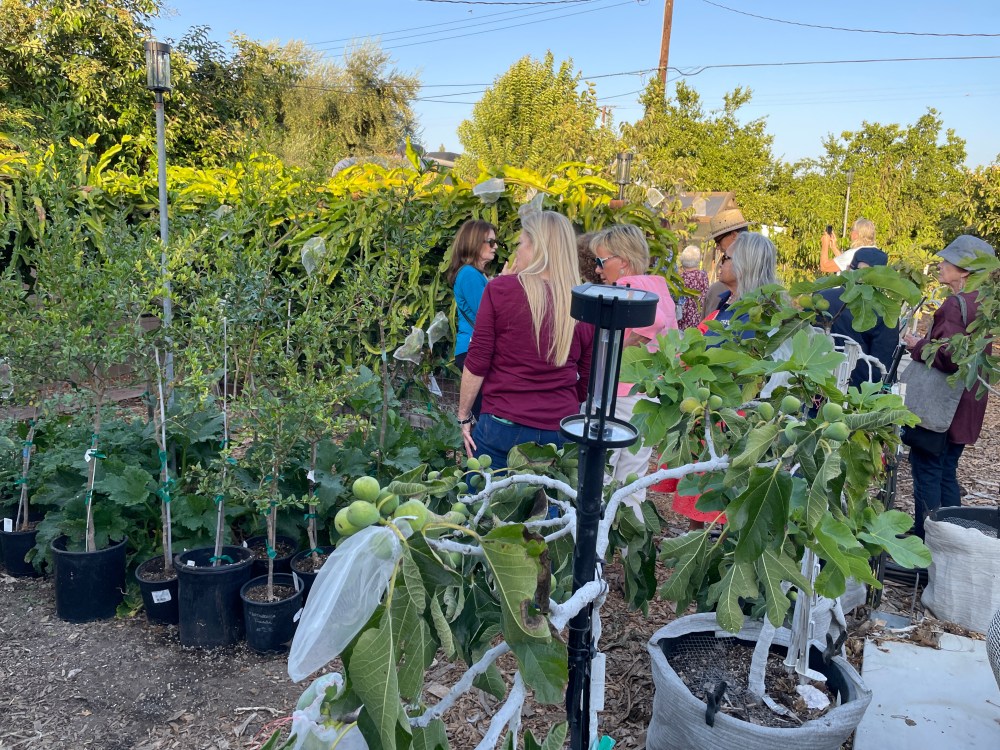

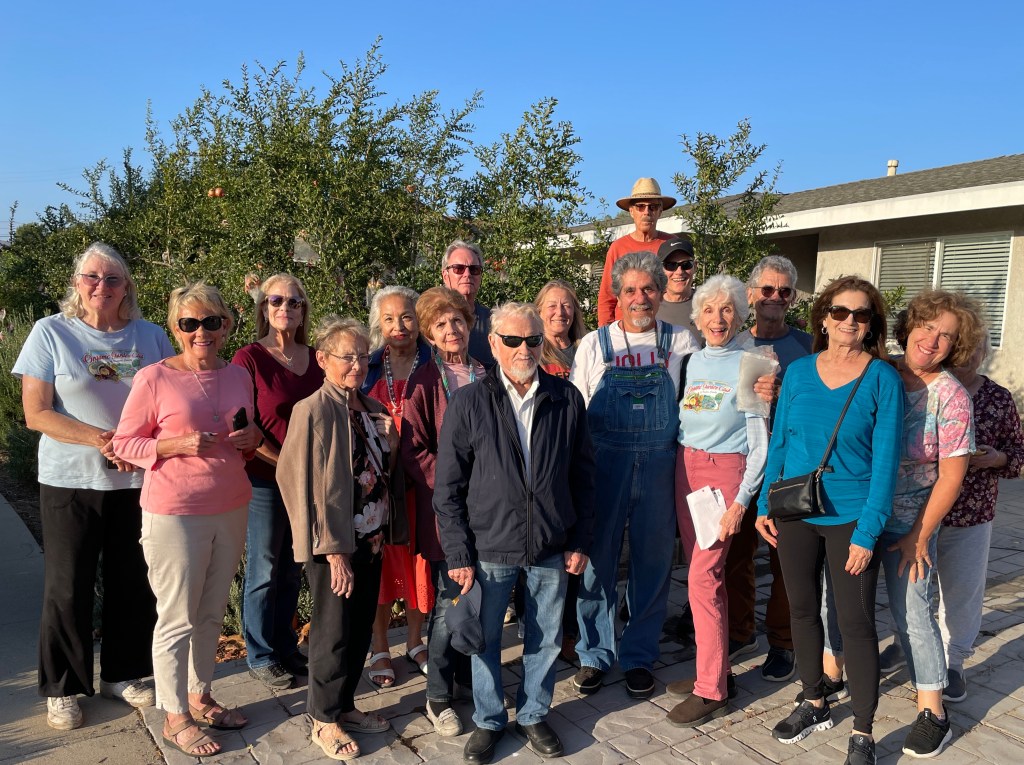
Two weeks after our fig tasting meeting, at Paul Talley’s Orchard Tour, Organic Garden Club members were enthralled to discover how many different varieties of pomegranates, dragonfruit, figs, passion fruit, avocados, and berries could be grown in a suburban yard.
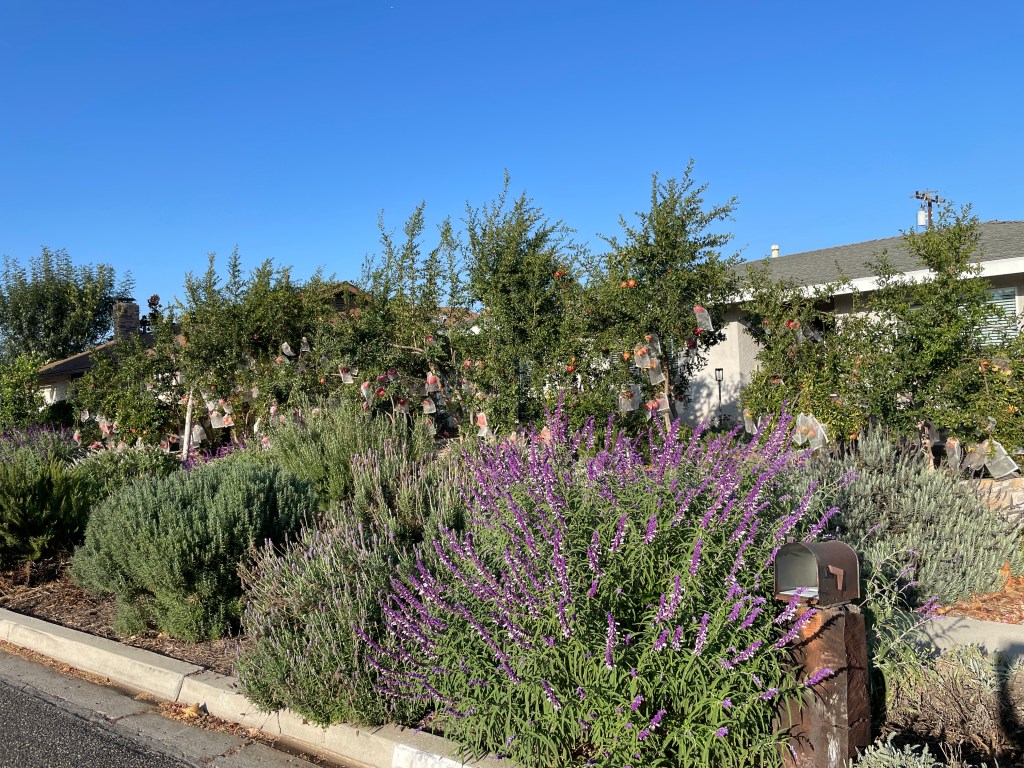
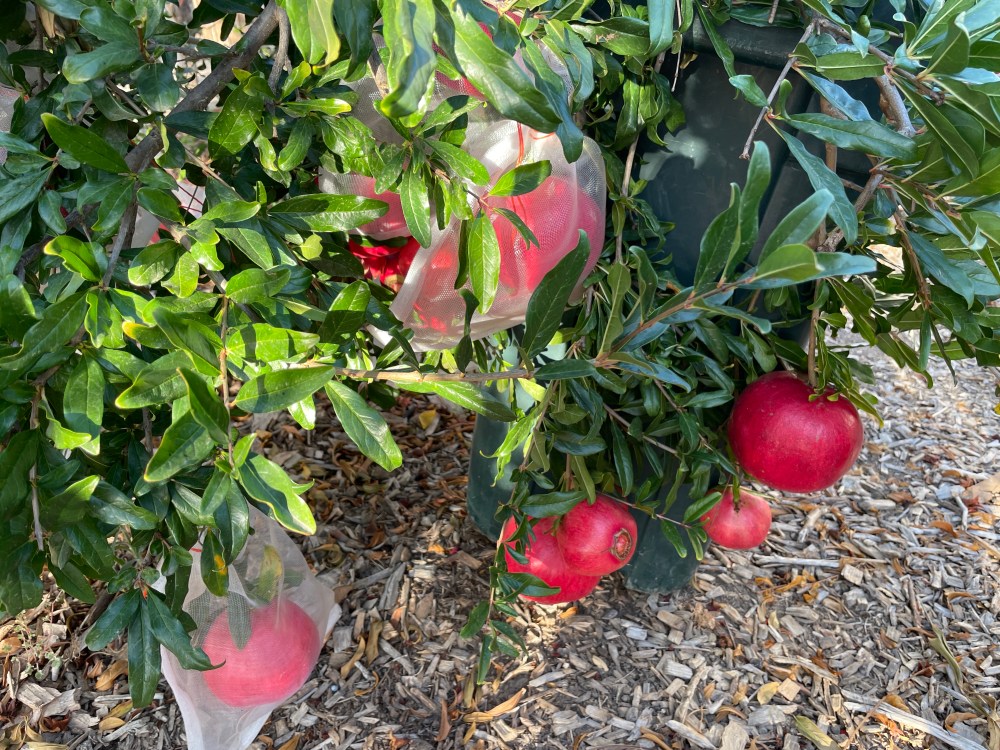
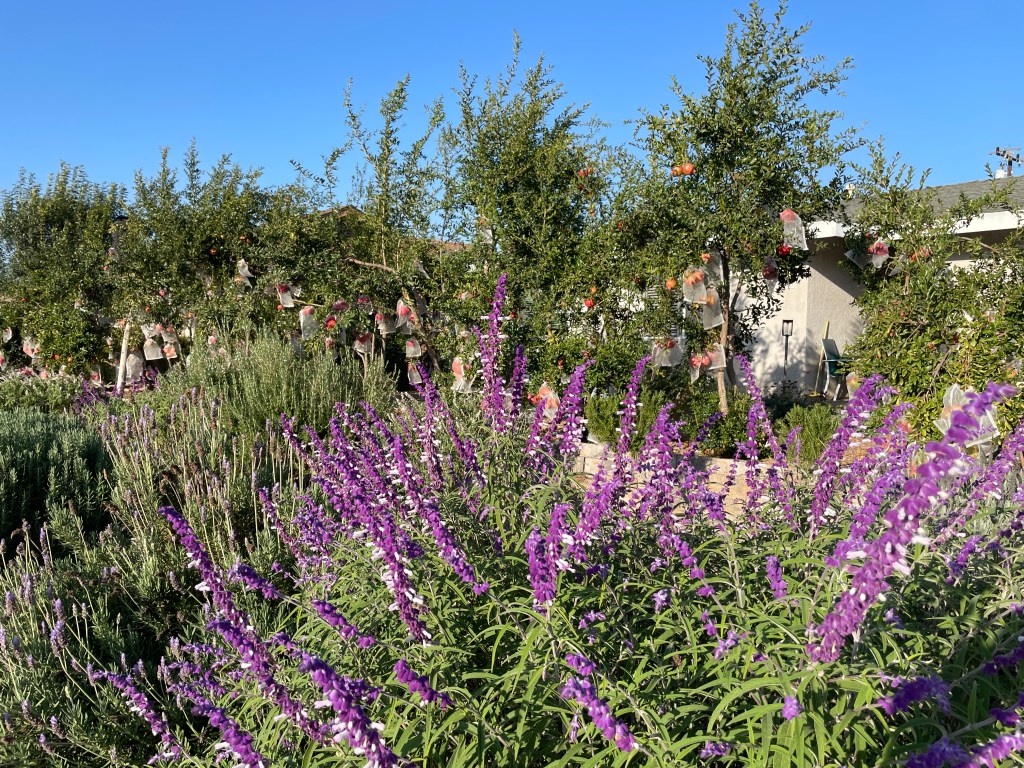
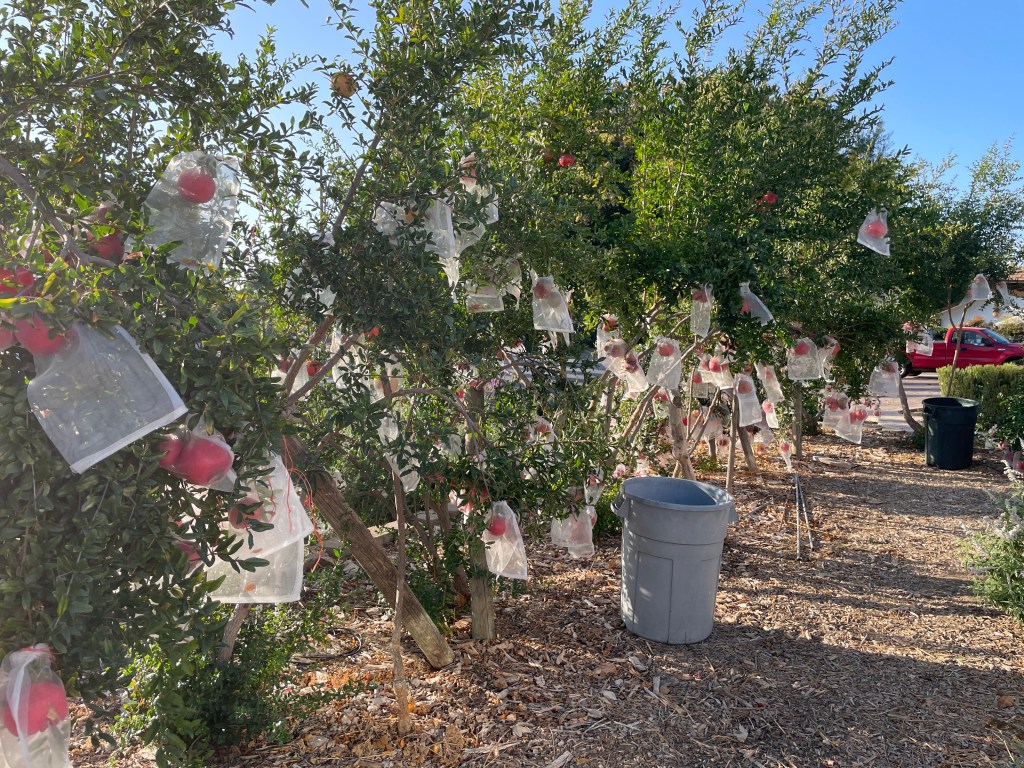
Paul’s front yard Orchard has 20 different varieties of pomegranates, with mesh protection bags covering the fruit. We tasted some of the different juicy arils rich in antioxidants!

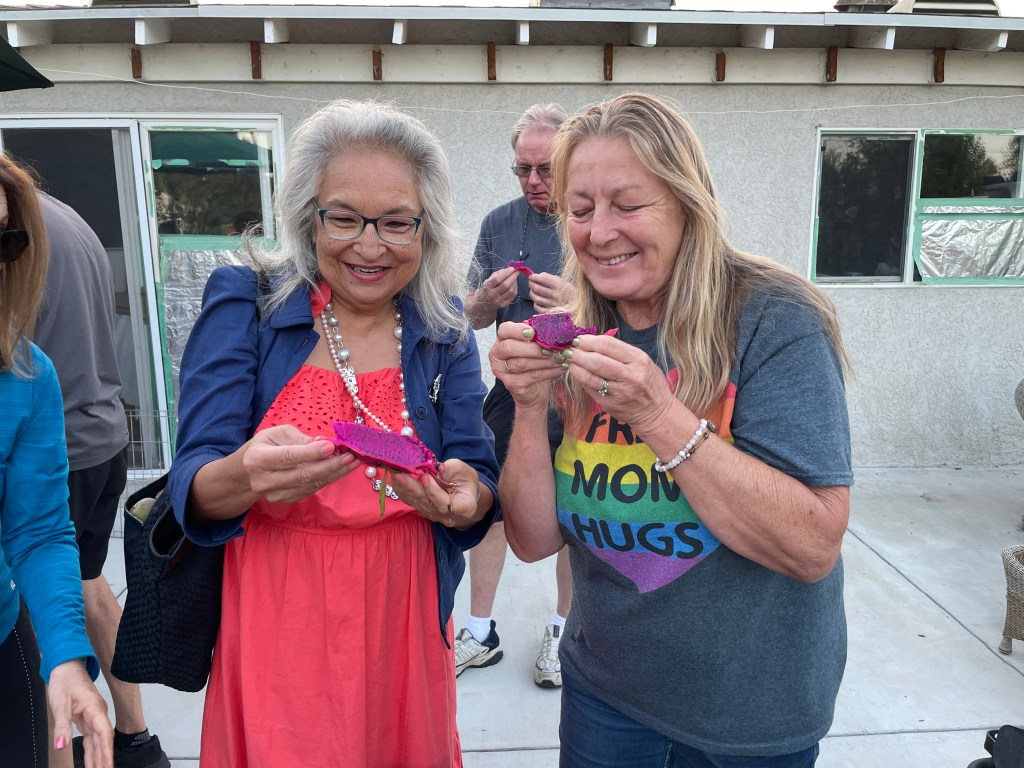
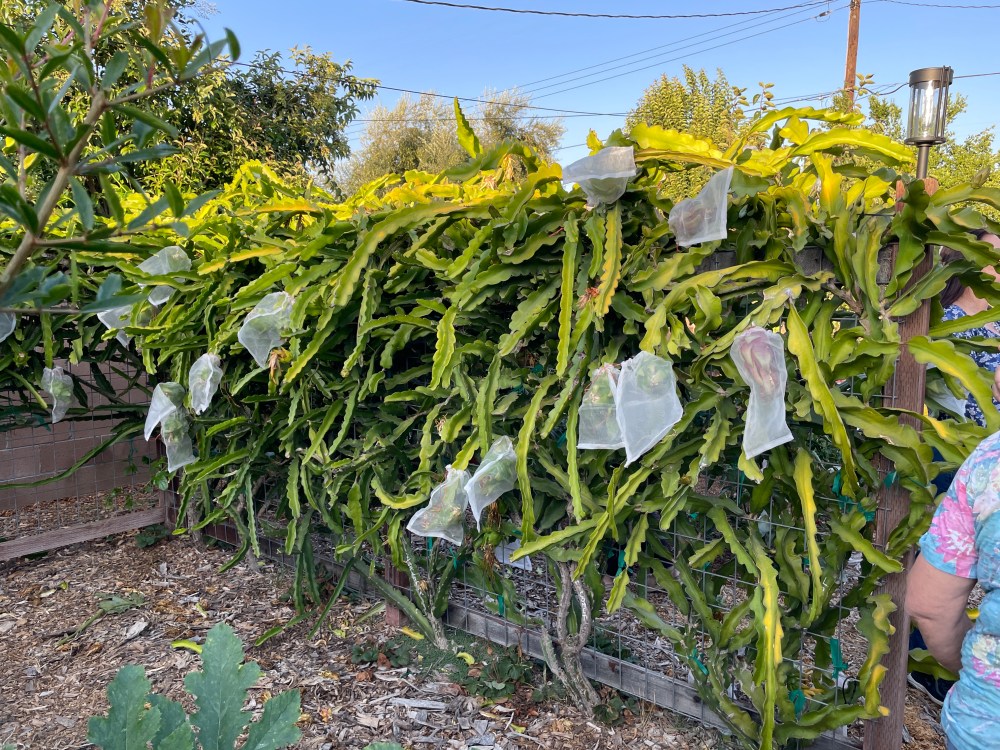

He grows several varieties of yummy red, pink, and white fleshed dragonfruit! We had a delightful time tasting the dragonfruit that boosts the immune system, aids digestion, and supports heart health.
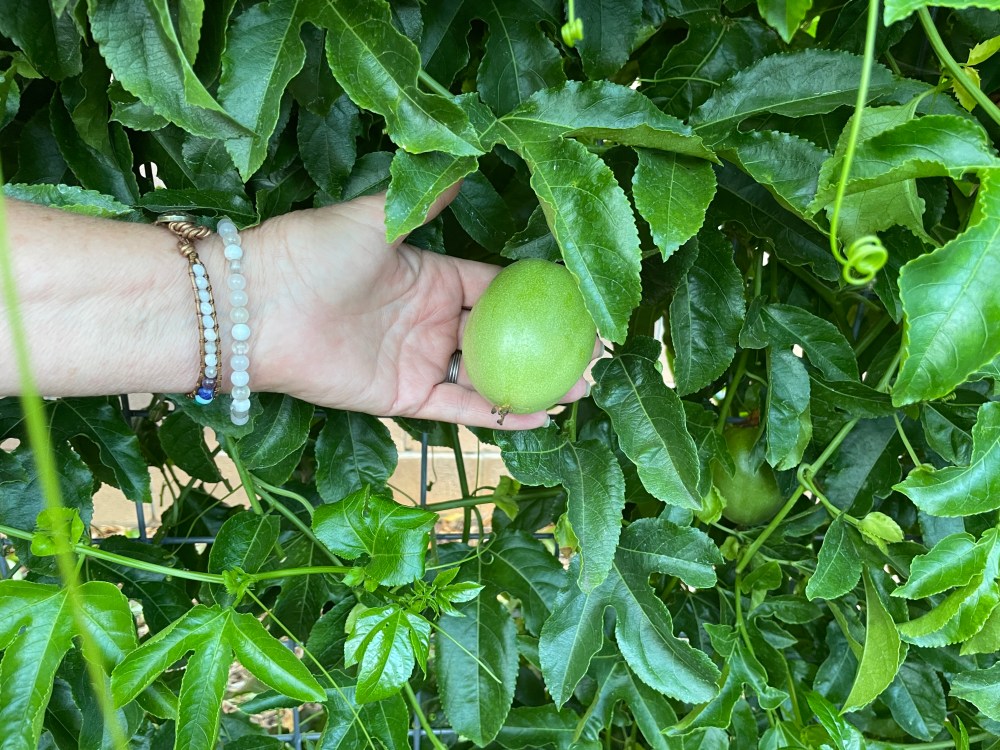

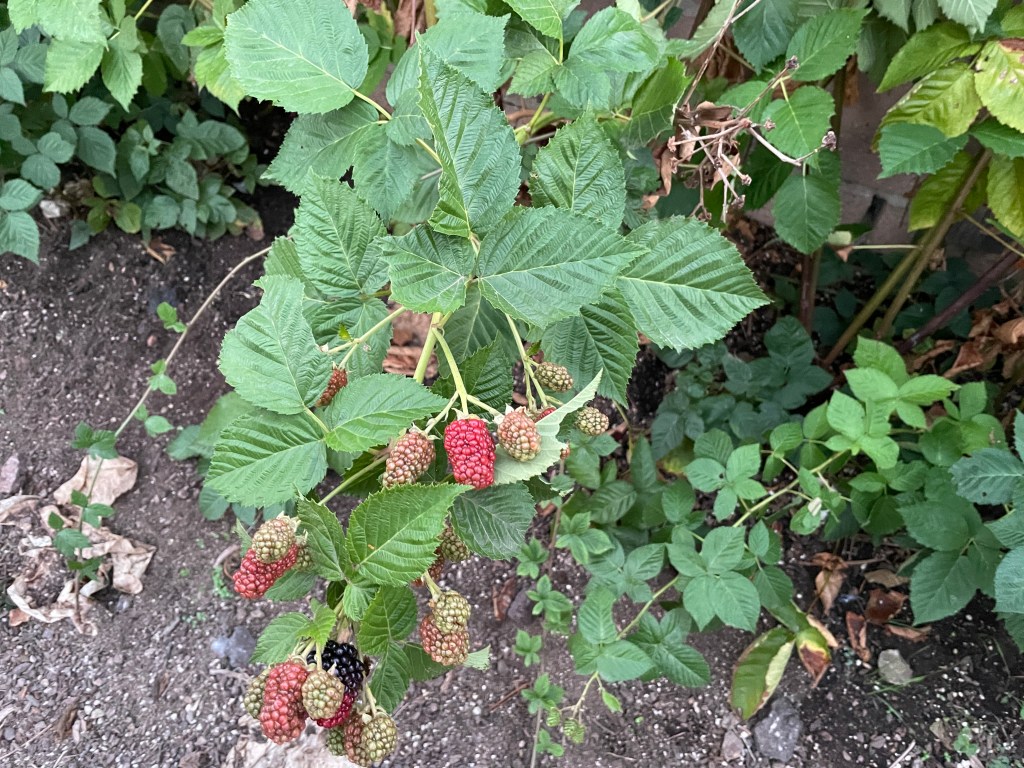
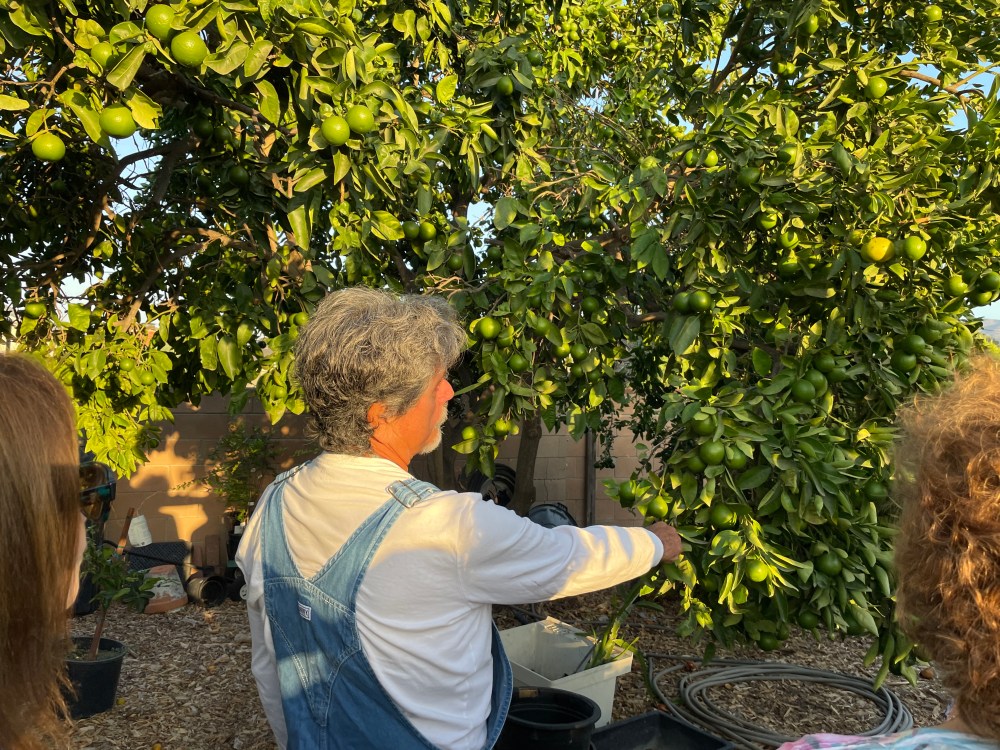
His garden is filled with many unusual veggies, herbs, and fruits. Larry made friends with Paul’s Duck who loves being in the Orchard! This duck eats dropped fruits, weeds, slugs, snails, grasshoppers, flies, and other garden pests. Duck manure is a valuable fertilizer, soaking into the soil and enriching it without any treatment.
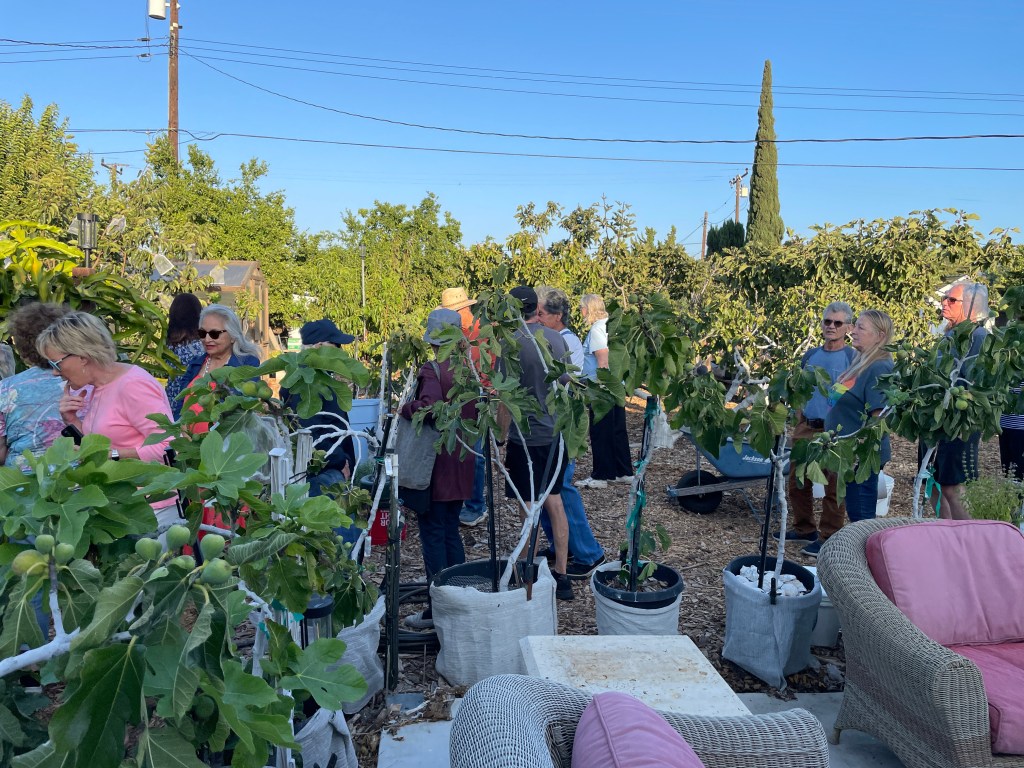
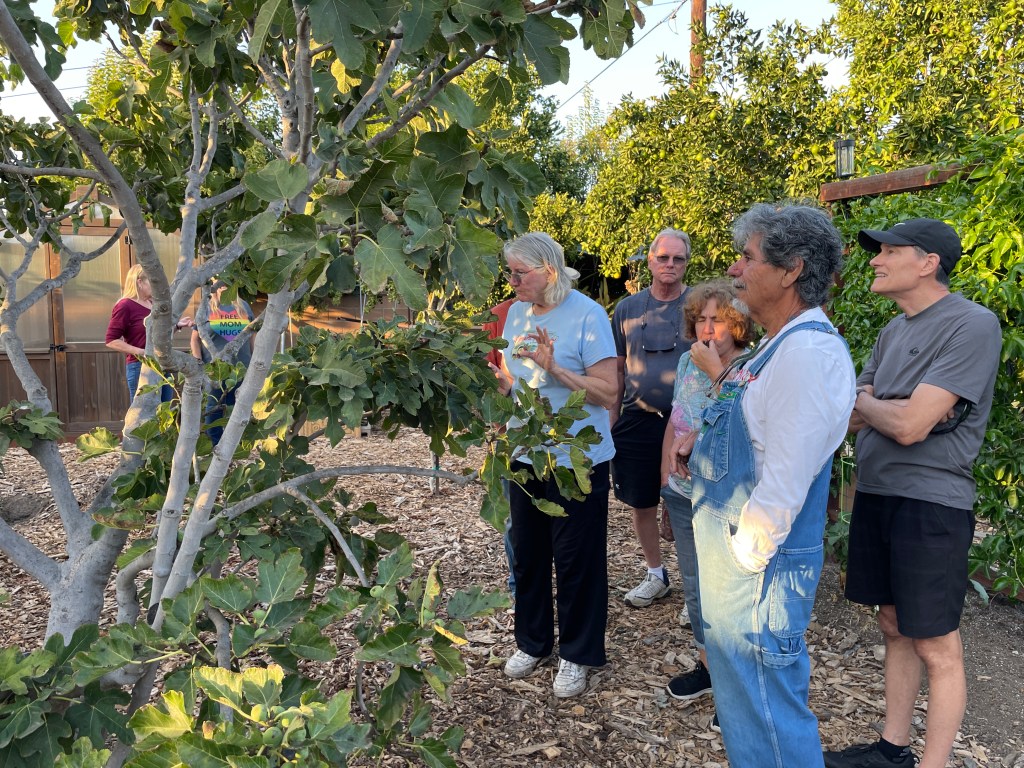
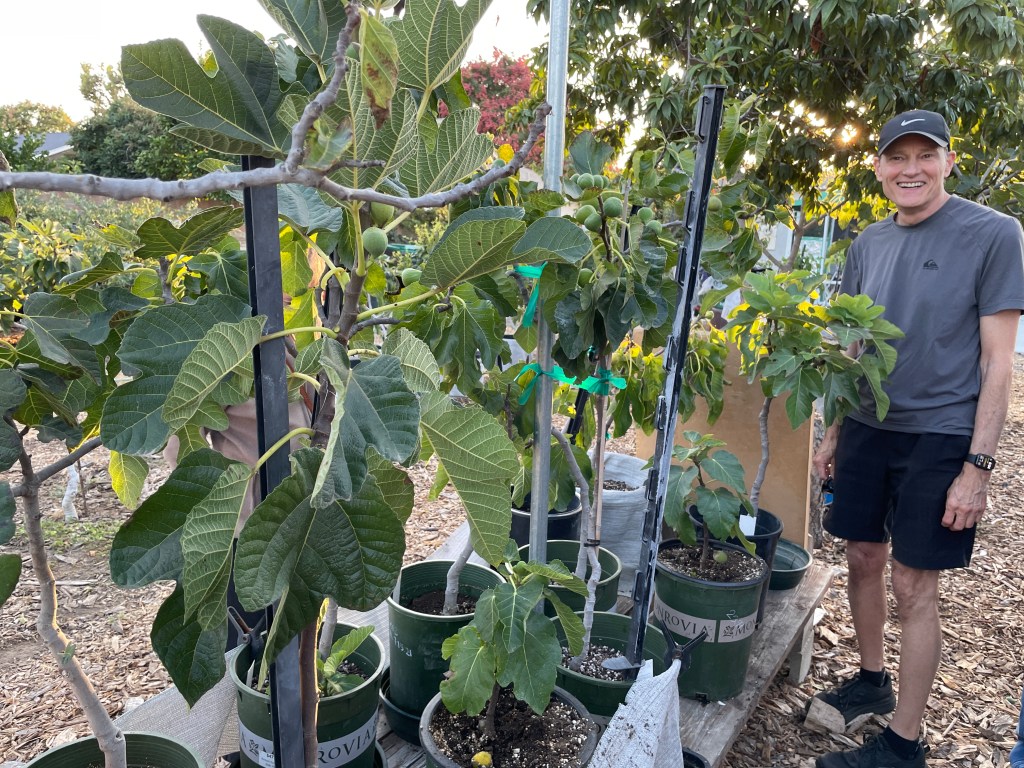
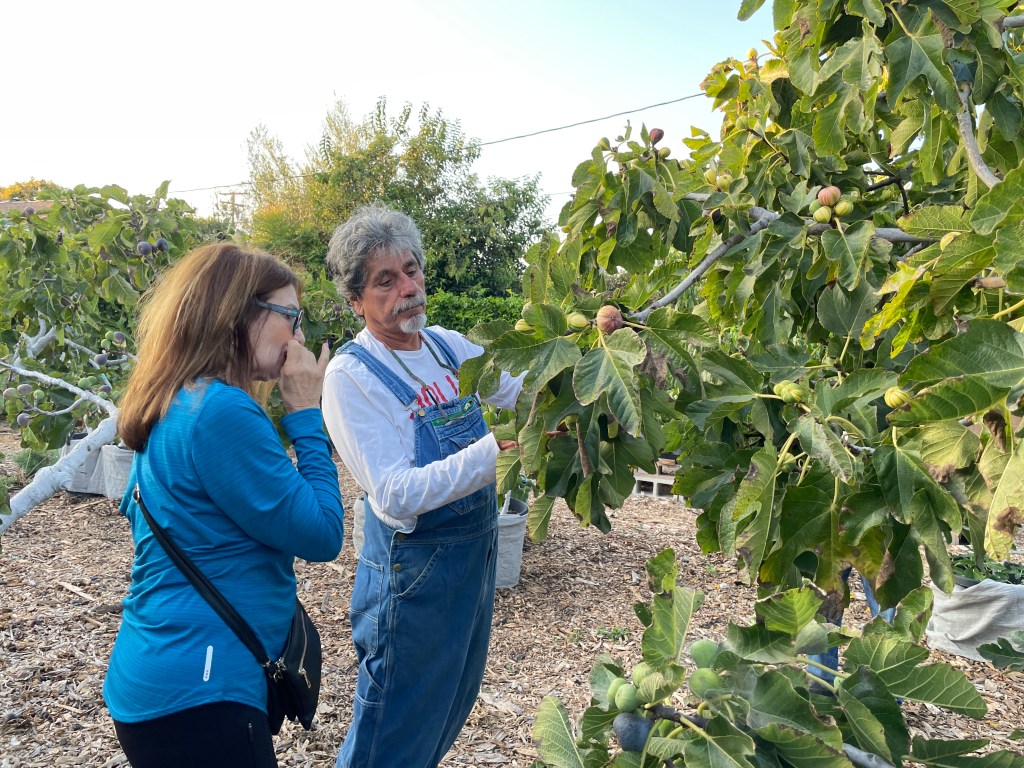
We were treated to delicious figs fresh from the tree! Paul propagates his figs, pomegranates, and other fruit trees to sell, often grafting four varieties on a single tree. We were willing customers!
 Organic Garden Club of Ventura County
what a fantastic idea! I want to do it next year gerri
LikeLike