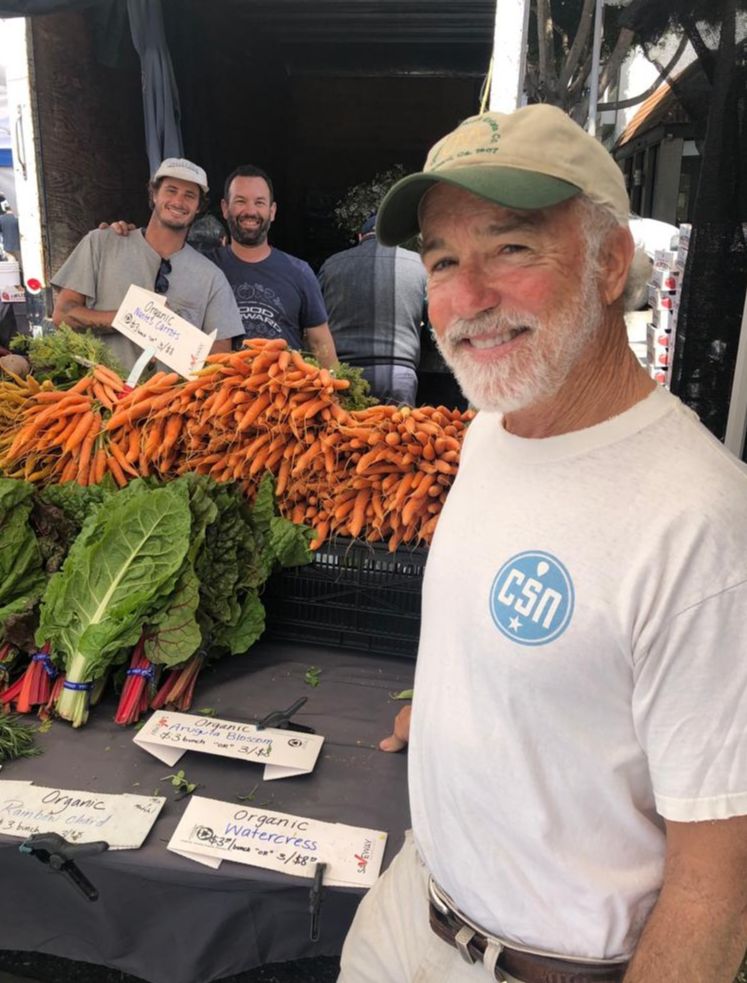
We had a fabulous Organic Garden Club meeting! Longtime local farmer, Phil McGrath, told us the history of his family and their 150 year old farms in Ventura County.
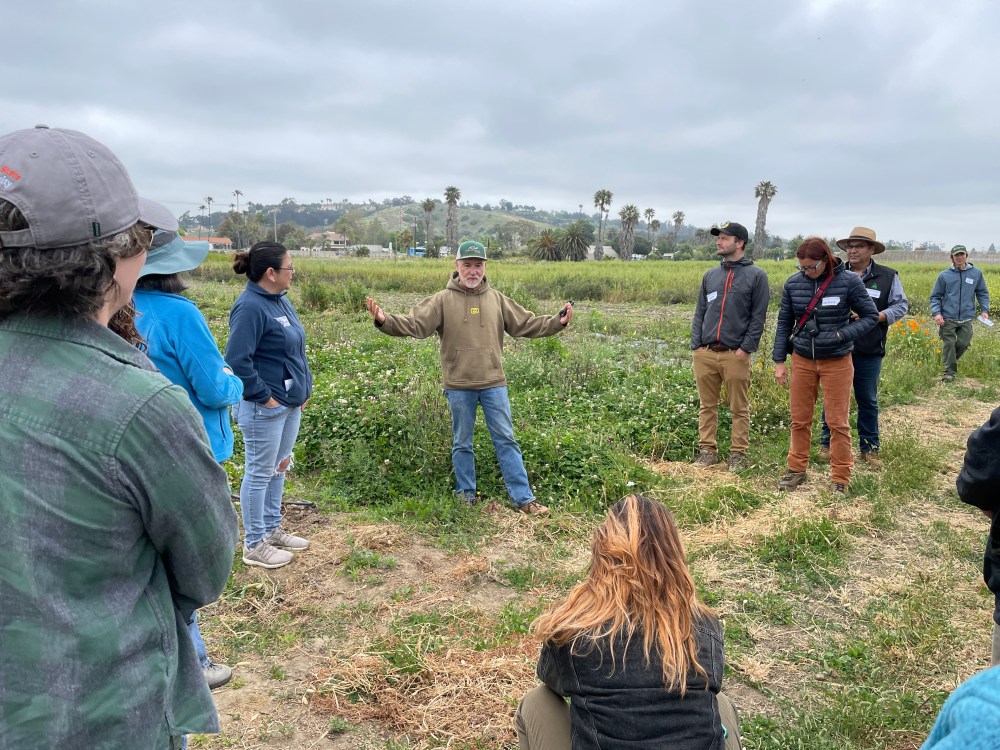
They originally came from Ireland and started farming on the Oxnard Plain in 1871. They started out as sheep farmers. Phil’s great-grandfather had fourteen children. Around 1920, they moved on to cattle ranching and dairy farming. At one point, they had the third largest dairy in the area, plus they had chickens and pigs. All the manure went to enrich the fields, where they grew grass for the cows. Around 1948, they started getting too much dairy competition, mostly from the San Joaquin Valley.
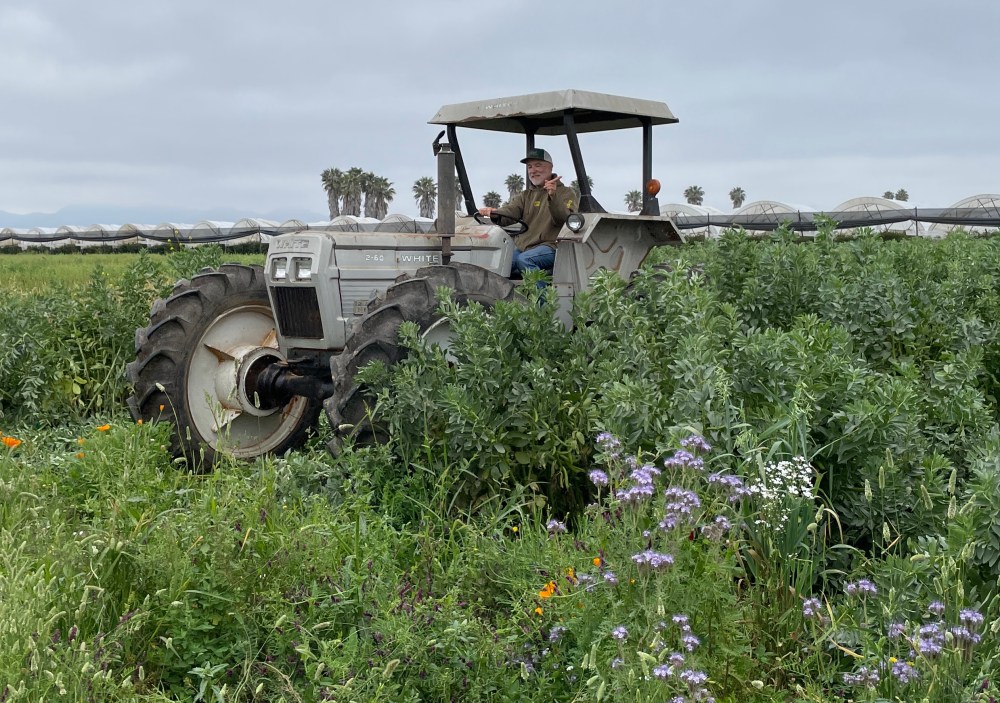
Phil’s grandfather took the 1500 acres and grew row crops of lima beans and sugar beets. In the 1960s they added broccoli, celery and other row crops such as lettuce and tomatoes. Strawberries became a big crop in the 1970s. In 1992, the McGraths turned to organic farming. Phil certified his Camarillo farm organic in 1995 and he now has 300 acres, and is a valued member of the Ventura Farm Bureau. The state is now monitoring not only incoming water, but will soon be monitoring water that leaves agricultural areas too.

About ten years ago, Phil started to grow a new generation of organic farmers, like Mike Roberts, leasing ½ acre parcels and showing young organic farmers how to earn a living in agriculture. Now many of these farmers are expanding their acreage, showing that regenerative agriculture can work on scale.
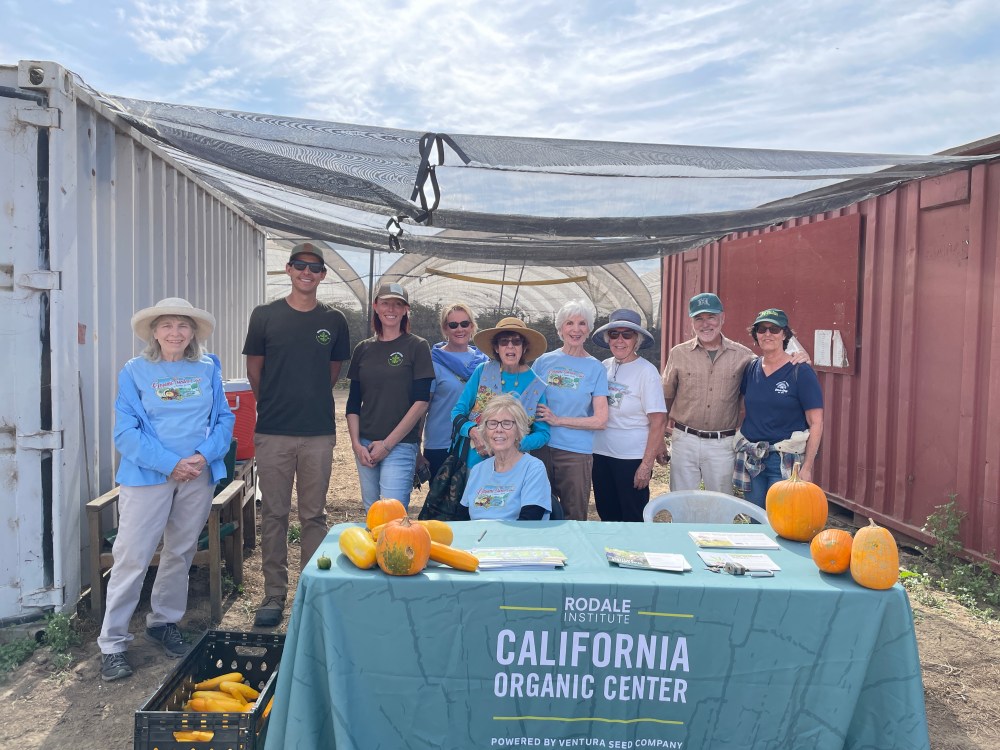
Three years ago, Rodale Institute established their California Organic Center on two acres at Phil McGrath’s Farm. Dr. Arianna Bozzolo is in charge of the Center where they conduct unique organic regenerative agriculture research projects. She told us about the improvements in organic farming practices, the widespread movement of regenerative farming, incorporating more indigenous methods, and some greenwashing.
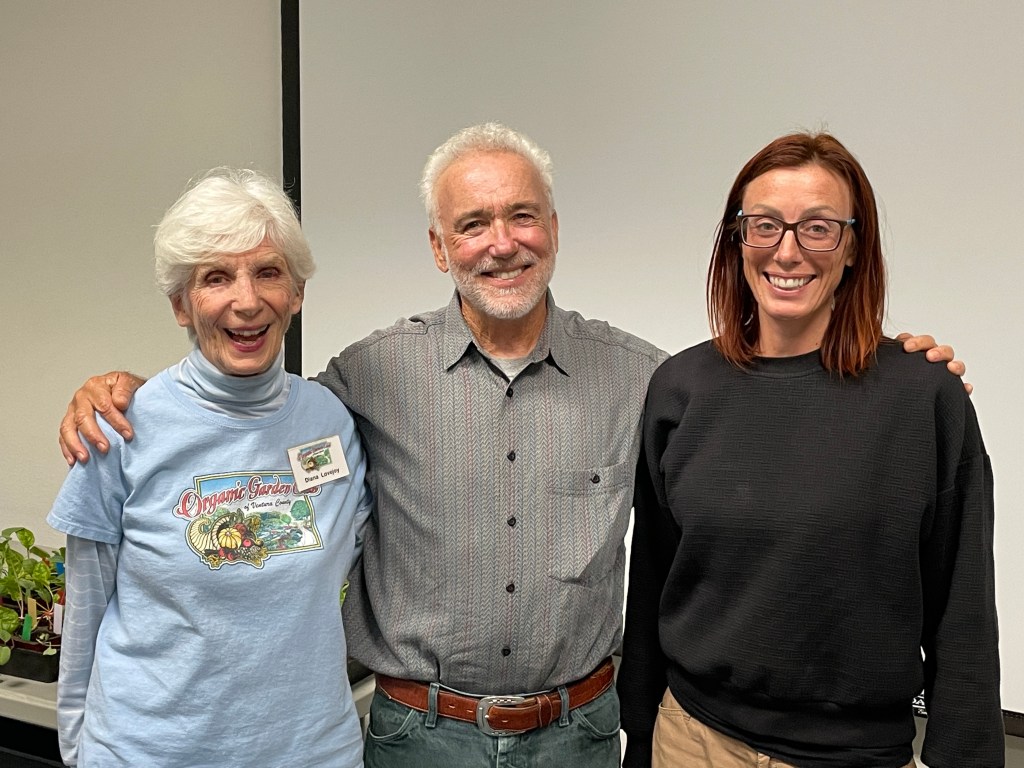
“All regenerative farming is not organic”, Adrianna explained. “True organic farming practices create a sustainable future.” Regenerative organic agriculture practices the following five methods: reduced tillage, integrated livestock, cover crops, crop rotation and low to no external inputs.

Organic methods are verifiable by a third party certification and a legal standard that can be relied upon in the journey to sustainable practices. Organic is climate friendly, healthy for soils, and protective of biodiversity – both above and below the ground. Organic is systems focused: good for the economy, good for the farm workers and good for rural residents. Check out the Organic Farming Research Foundation: https://ofrf.org/

“The world needs a wake-up call,” said Phil McGrath. “We have to rethink the big picture now. We need organic regenerative agriculture for our collective future.” Phil McGrath’s best advice is to “Eat local, eat organic, and eat what’s in season!” Pears, persimmons, figs, apples are all in season now in the fall.
 Organic Garden Club of Ventura County