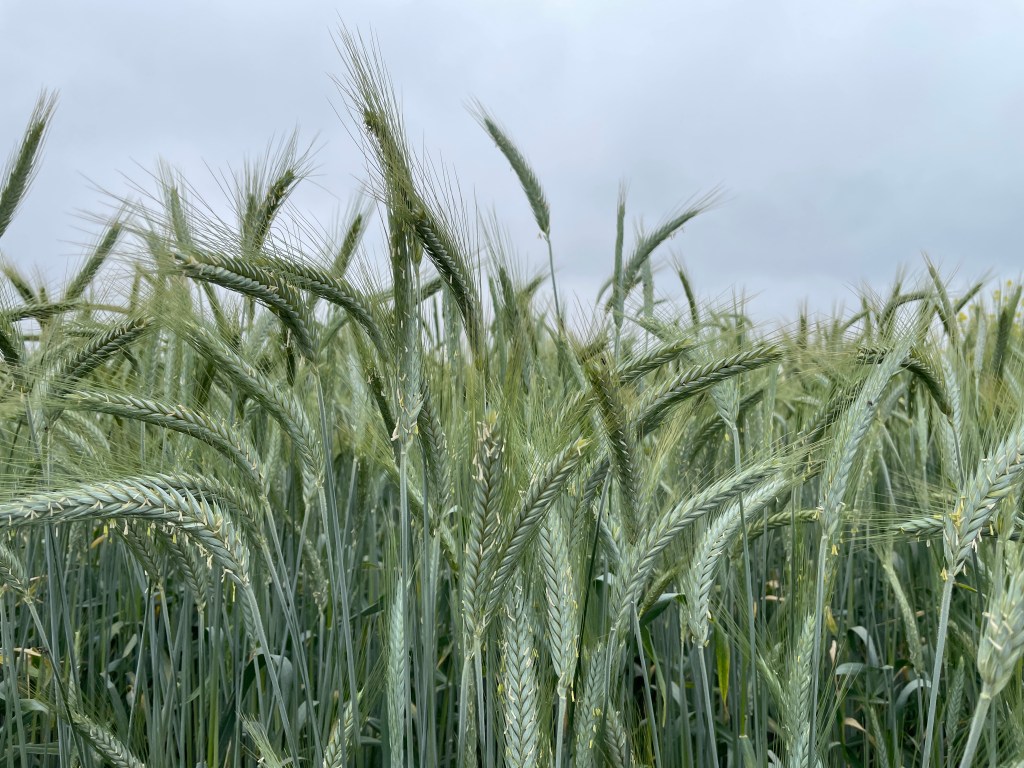
Organic Garden Club members were treated to an incredible experience on Central Coast Field Day! The first stop was at at the new University of California Agricultural Research Center in Camarillo. A Cool Season Annual Cover Crop Trial was planted there January 30, with 20 plots of different cover crops repeated three times for scientific testing of the soil health at Oregon State University. This trial will now be repeated for Warm Season Annual Cover Crops.

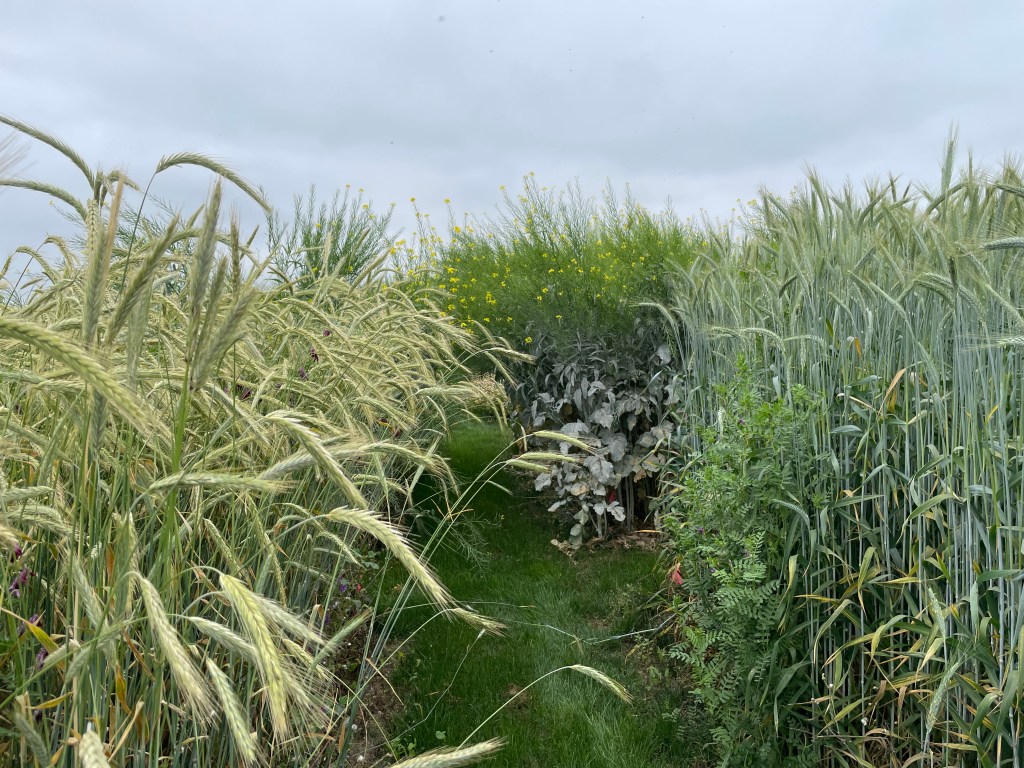
Cover crops enrich the soil with natural nitrates, suppress weeds, improve water retention, discourage pests and diseases, reduce soil compaction, and attract beneficial insects to your fruit and veggie garden. Dr. Annemiek Schilder (in pink) planted the cover crop trial at the UC Agricultural Research Center with the help of cover crop expert Tom Johnson, who is showing how the long root of the White Mustard provides for increased surface nutrients and water retention.


At Rodale Institute’s California Organic Center at McGrath Farm, Organic Garden members had an exceptional connection to the people, crops, and soil to continue our Field Day experience. Owner, Phil McGrath demonstrated the Roller Crimper on a field planted with a fava bean cover crop. The crimped cover crop forms a thick mulch layer, suppressing weeds, improving the soil health, retaining soil moisture, and shielding the soil from wind erosion.

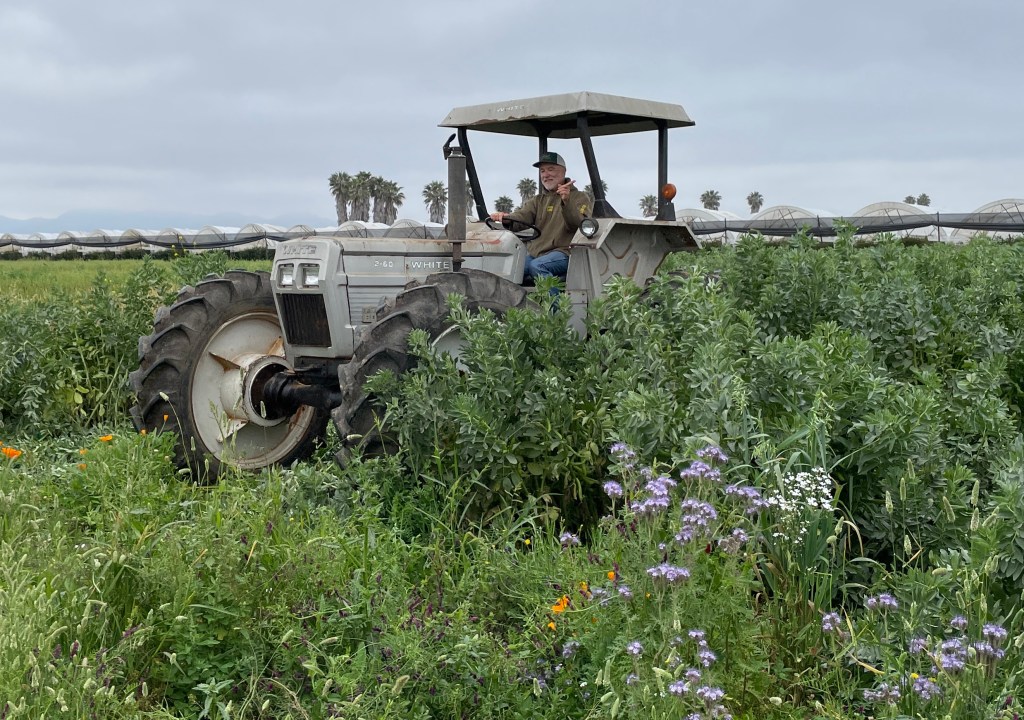
Dr. Arianna Bozzolo explained that the Roller Crimper goes over the cover crop 3 or 4 times before leaving it to dry on the soil surface. Using this environmentally friendly method, rather than tillage, increases microbial activity that play critical roles in the nutrient cycling, disease suppression, and soil structure needed to grow healthy vegetables.
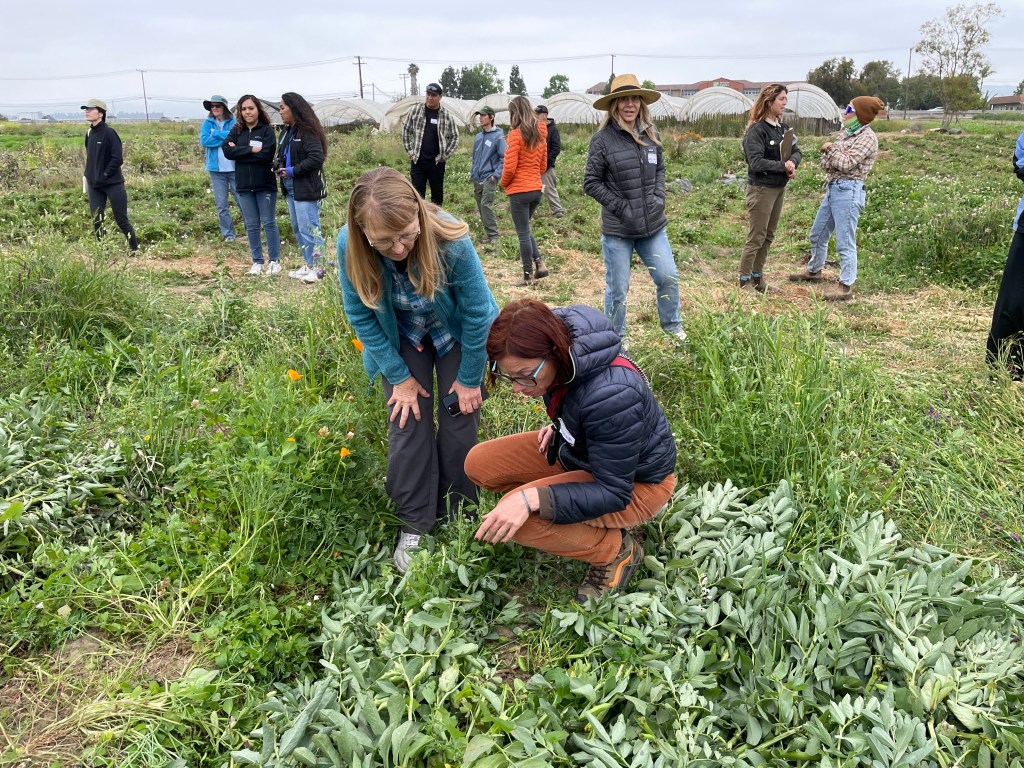
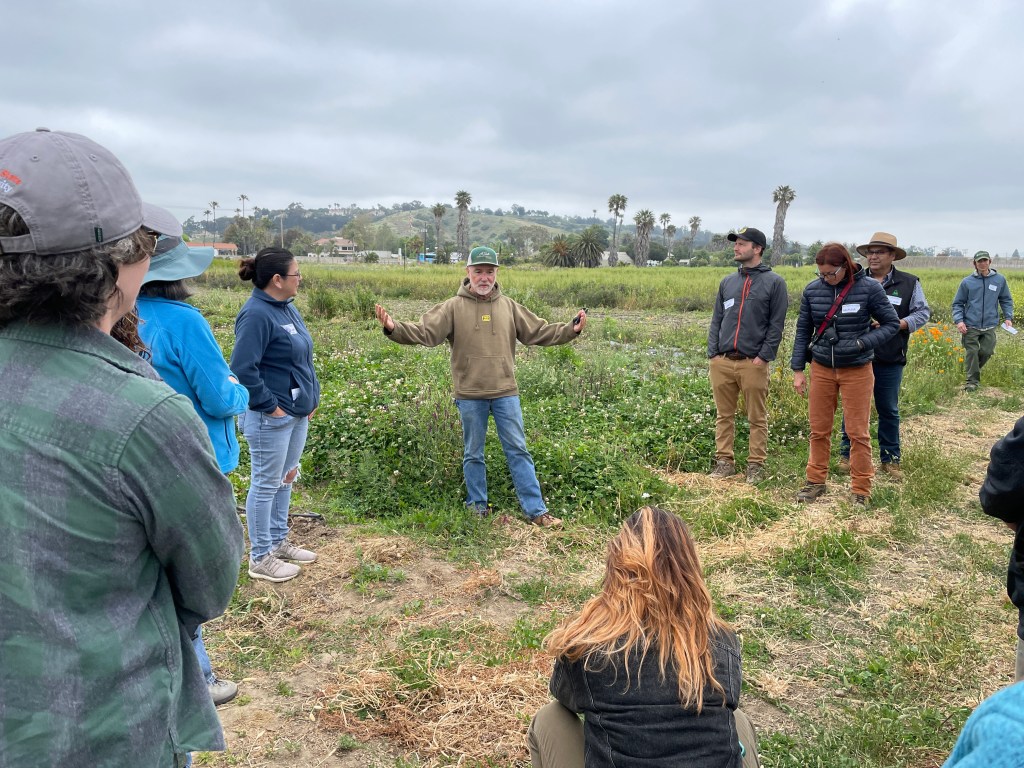
Phil discussed the importance of organic agricultural methods. Arianna pointed out the native pollinator flowers and habitat features she planted at the end of each crop row to attract beneficial insects and deter pests. Next she will plant pumpkins in the crimped mulch to benefit from the enriched soil and stifled weeds and demonstrate the many benefits of planting different plant species for ecosystem resiliency.

 Organic Garden Club of Ventura County