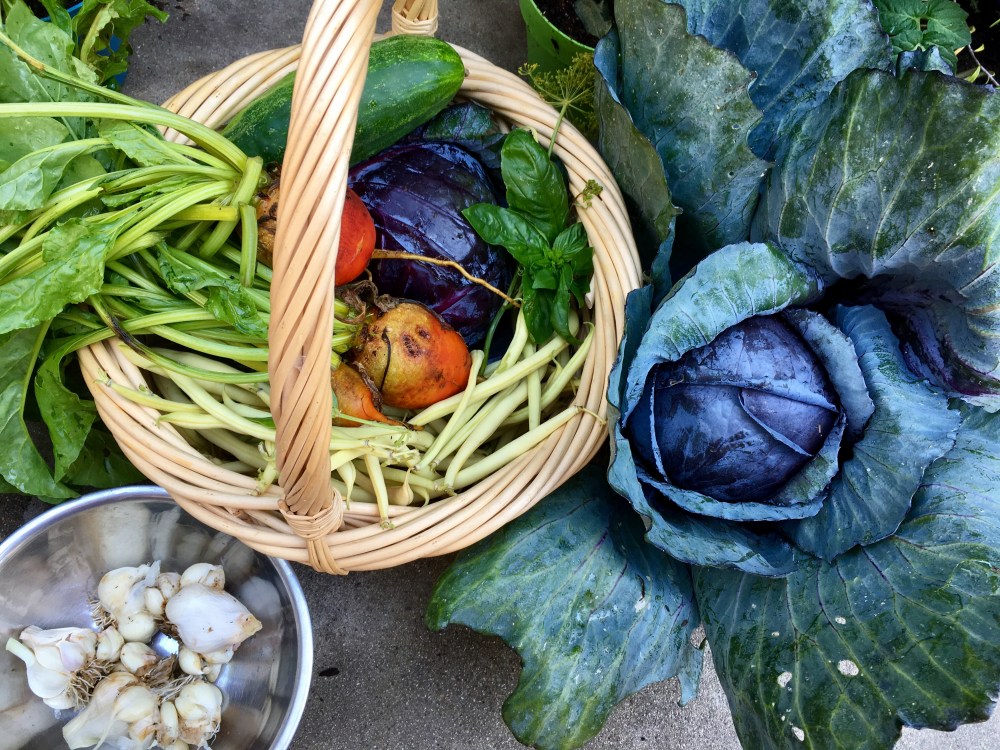
It’s time to plant your fall veggies! You are what you eat! Grow a Backyard Pharmacy! Eating fresh, organic fruits and veggies saves time and money at the doctors office and on prescriptions and tastes amazing. Food is Medicine! Eat seasonally! It’s time to give up processed foods which are filled with too much salt, sugar, fat, chemicals, and additives and have made so many of us sick. You can grow food that is good for your body, heart, and soul in your garden and get wonderful feelings of satisfaction and accomplishment.
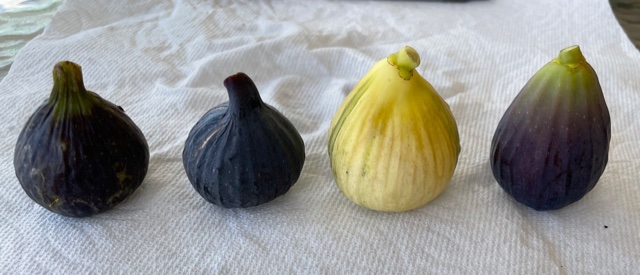
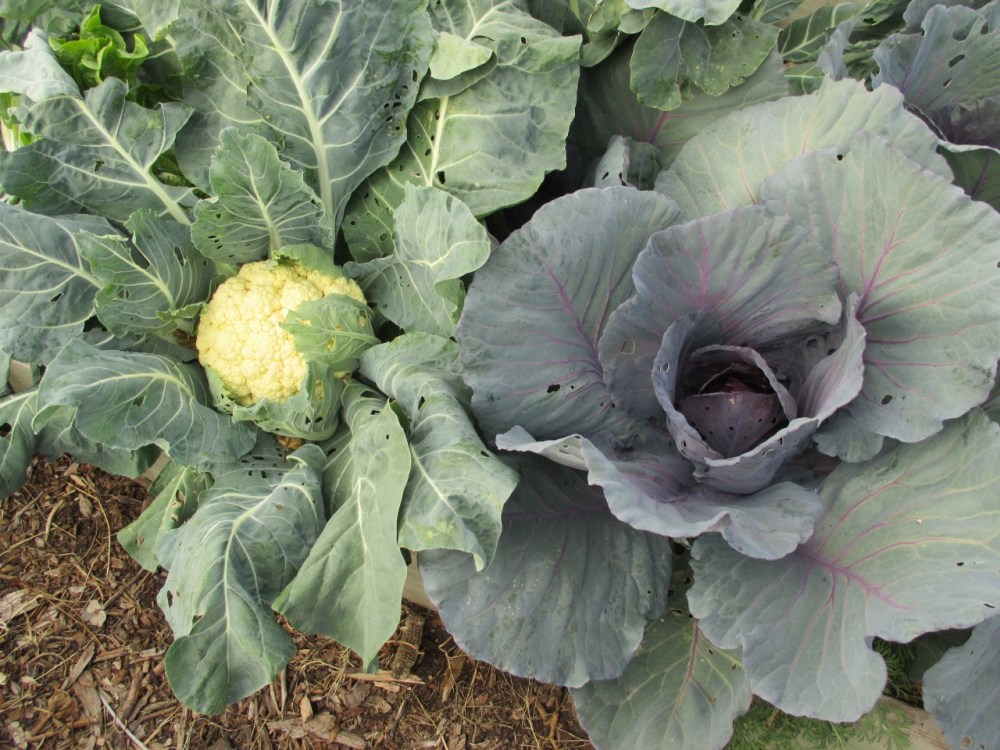
Buy locally! Reduce food miles! Grow your own! Salad greens, spinach, herbs, onions, garlic, broccoli, cauliflower, beets, carrots, and celery are cool weather crops you can plant now! Conventional produce is treated with toxic long lasting pesticides, fertilizers, or made from genetically modified organisms. No wonder there is so much disease. Gardening grounds us. You are what you eat, and you want to eat what you grow. When you grow your own food, you know what is in it! Every meal cooked at home is easier, cheaper, and healthier, especially when using local, organic, in season, whole foods from your garden. Eat the Rainbow! Each vivid color is a different spectrum of photochemical and antioxidants. Brightly colored fruits and veggies are the magic secret for all around health.

Harvest year round! You can start seeds for the cool weather crops now in the warm weather of early fall. Grow them under landscape fabric and bend small diameter PVC pipe over your raised bed to create a rigid row cover in winter and harvest the veggies in the warmest part of the day. Please don’t use rat poison or pesticides around your home or garden! Our fruit and veggie gardens are overrun by critters, perhaps due to the poisoning of the owls, hawks, and other raptors, who are nature’s rodent control. You can sow greens bi-weekly and cover them in hardwire baskets or row covers to have fresh salads year round. Eat your greens! Leafy greens, such as spinach, arugula, Swiss chard, beet greens, mustard, and kale, are high in immune support, antioxidants, fiber, iron, calcium, heart healthy nutrients, and rich in vitamins A, B, C, and K!
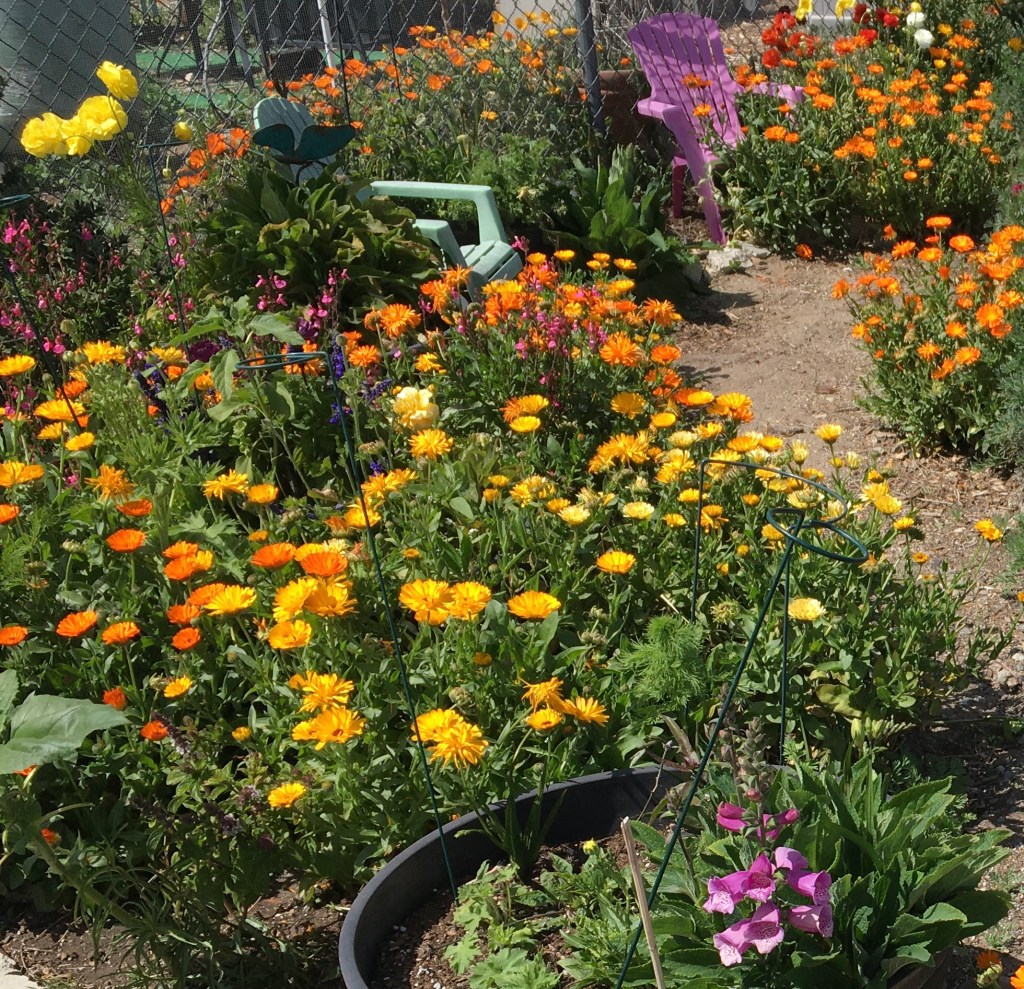
Autumn is the best time to plant native plants. Even in poor soil, you can plant native plants, which are adapted to your local soils and climates and are the best sources of nectar and pollen for native pollinators. You can also plant a living fence of tall native plants and pollinator friendly flowers to create a natural pest barrier. Interplant marigolds and nasturtiums among your fall veggies for a touch of color in the garden and in your salads! They make wonderful companion plants in the vegetable garden as they attract beneficial insects, like lady bugs and bees, and repel pests, like destructive nematodes and whiteflies. Intensive interplanting of your veggies can provide shelter or protection for smaller plants from wind or excessive sunlight and act as a trellis supporting other plants. Never leave the soil bare! Plant closely to reduce weeds, improve the soil, and reduce erosion. Concentrating on interesting gardening tasks can clear the mind and relax the soul.
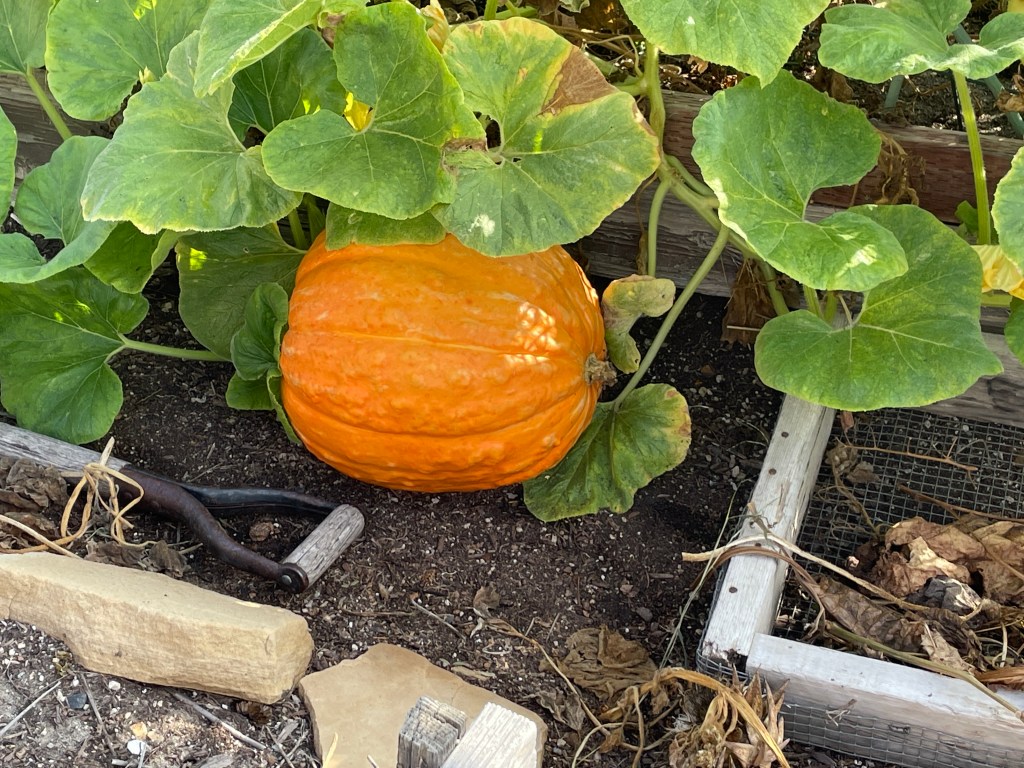
Fall leaves are the perfect mulch as they contain nitrogen, phosphorus, and potassium to feed the soil. Mow the leaves to chop them, as wet matted leaves don’t allow water to reach the soil until they decompose. Many wildlife species lives in or relies on this leaf layer to find food (like chipmunks, earthworms, toads, as well as butterfly pupae). Move the leaves around the yard to mulch the flower beds and add them to your compost pile. Anxiety and stress melt away as you find new life in the soil and healing in the garden.
Fall is also a great time to install a Rainwater Catchment System, like rain barrels, a water tank, or underground cistern, that collect the water from your roof to save to water your garden. There are special, beneficial bacteria only found in rainwater that protect the plants from disease and improve their overall plant health. When you plant the right veggie at the right time for your climate, you can benefit from your local rain, which is the best water, natural with no added chemicals for your garden. As we work our hands in a piece of earth, peace fills our minds.

Let’s get planting! First harvest and remove your summer veggies. Add some Dr. Earth Organic Potting Soil to your Raised Bed Gardens and five gallon pots. Add organic compost to the top of all exposed soil, on the new soil and around perennial herbs, veggies, and flowers. If you are starting a new garden you can get organic vegetable soil for your raised beds from your local soil company, like Peach Hill Soil. Water the soil throughly. Your local independent nursery, like Armstrong Nursery or Green Thumb, will carry the right variety of organic veggies and seeds for your climate and season. If you are planting starter veggies, add into the planting hole a bit of Dr. Earth Organic Tomato, Vegetable, and Herb Fertilizer. Water your new seeds and starter plants daily for the first couple of weeks to give them a good start. Then water every 2 or 3 days and add fertilizer and compost once a month. Growing your own food and preparing meals from scratch is a life changing recipe for health and happiness for all ages.
 Organic Garden Club of Ventura County